Iran conflict disrupts oil supply to Asian countries dependent on Middle East

By Katya Golubkova, Yuka Obayashi and Nidhi Verma

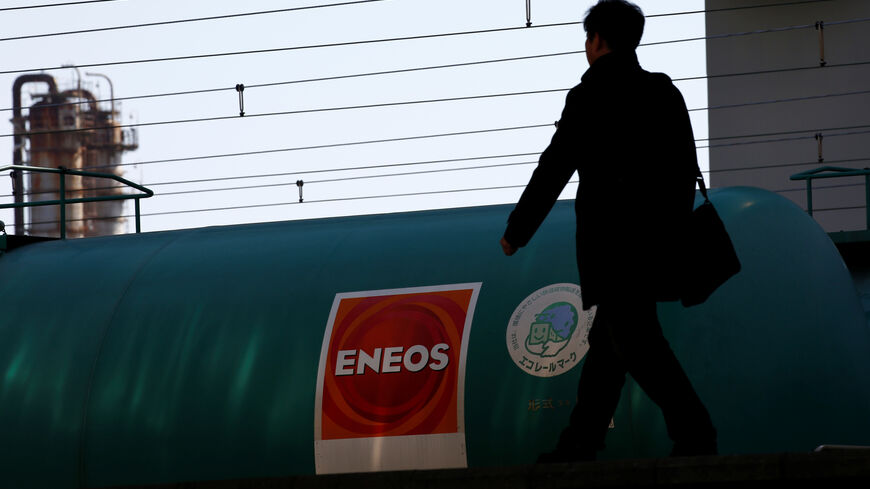
TOKYO/NEW DELHI, March 2 (Reuters) - The widening Iranian conflict is disrupting oil flows to several Asian countries as vessels are bottled up within the Middle East Gulf and crude and transport costs are rising, industry sources and analysts said on Monday.

The disruptions highlight the risks to Asia, the world's biggest oil consuming region, which sources 60% of its oil from Middle Eastern producers, from the fighting between the U.S. and Israel on one side and Iran.
Iran strikes spotlight chances for North Korea to resume nuclear talks with Trump

By Heejin Kim and Sebin Choi

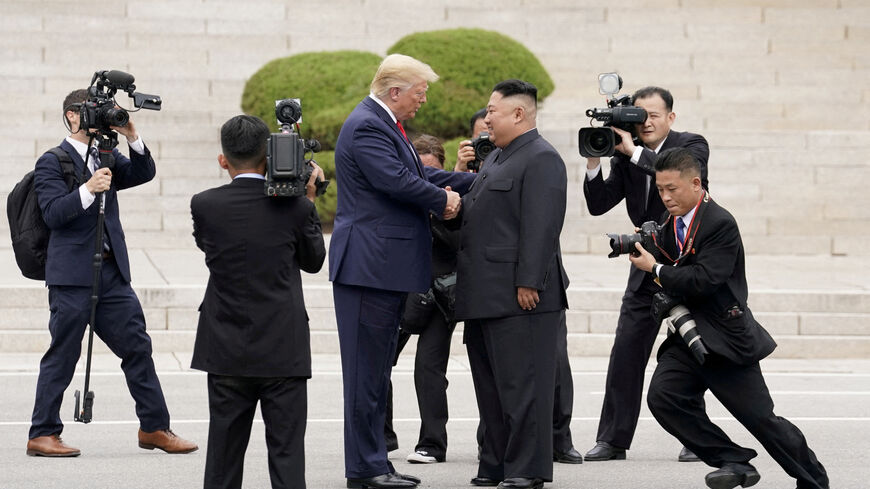
SEOUL, March 2 (Reuters) - U.S. and Israeli military strikes on Iran will reinforce the nuclear ambitions of North Korean leader Kim Jong Un, say experts and former officials, as attention focuses on whether he might return to negotiations with President Donald Trump.

Talks to tackle Pyongyang's arsenal of nuclear weapons and ballistic missiles, subject to heavy international sanctions, broke down despite summits between Kim and Trump in 2018 and 2019, but the attacks on Iran could spur it to reconsider.

FILE PHOTO: U.S. President Donald Trump meets with North Korean leader Kim Jong Un at the demilitarized zone separating the two Koreas, in Panmunjom, South Korea, June 30, 2019. REUTERS/Kevin Lamarque/File Photo

Qatar downs Iran jets as Tehran targets oil and gas in spiralling Gulf crisis

Qatar downed two Iranian bombers and halted LNG production on Monday, as Tehran widened its attacks to hit oil facilities in Saudi Arabia and the UAE in a sharply escalating Gulf crisis that has sent prices soaring.

Qatar's air force shot down two Sukhoi Su-24 bombers, the defence ministry said -- the first time a Gulf country has hit Iranian planes, after Tehran began region-wide attacks in retaliation for US and Israeli strikes that have devastated its leadership.

QatarEnergy halted production after drone strikes on two of its sites

Kuwait intercepts hostile drones on third day of Iran retaliatory strikes

March 2 (Reuters) - Kuwait intercepted hostile drones on Monday, the third consecutive day of Iranian retaliatory strikes on neighbouring Gulf states in response to U.S. and Israeli attacks on the Islamic Republic.

No injuries were reported after Kuwait air defenses intercepted the majority of the drones near Rumaithiya and Salwa neighbourhoods, the state news agency cited the director-general of the civil defense as saying.

Loud bangs and sirens were heard earlier in Kuwait, according to a Reuters witness.

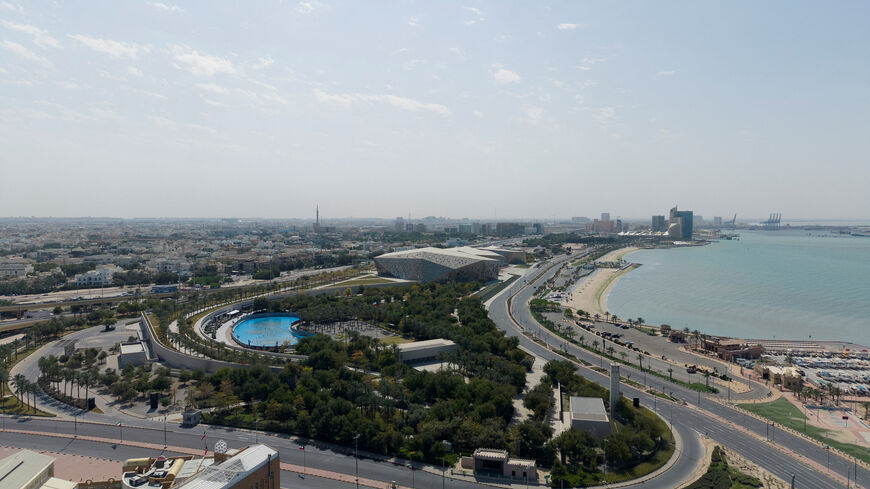
A drone view shows Kuwait City, in the aftermath of strikes by Israel and the U.S. on Iran, in Kuwait, February 28, 2026. REUTERS/Stephanie McGehee

Pentagon tells Congress no sign that Iran was going to attack US first, sources say

By Phil Stewart and Humeyra Pamuk

WASHINGTON, March 1 (Reuters) - Trump administration officials acknowledged in closed-door briefings with congressional staff on Sunday that there was no intelligence suggesting Iran planned to attack U.S. forces first, two people familiar with the matter said.

The United States and Israel launched their most ambitious attacks on Iran in decades on Saturday, killing Supreme Leader Ayatollah Ali Khamenei, sinking Iranian warships and hitting more than 1,000 targets so far, officials say.

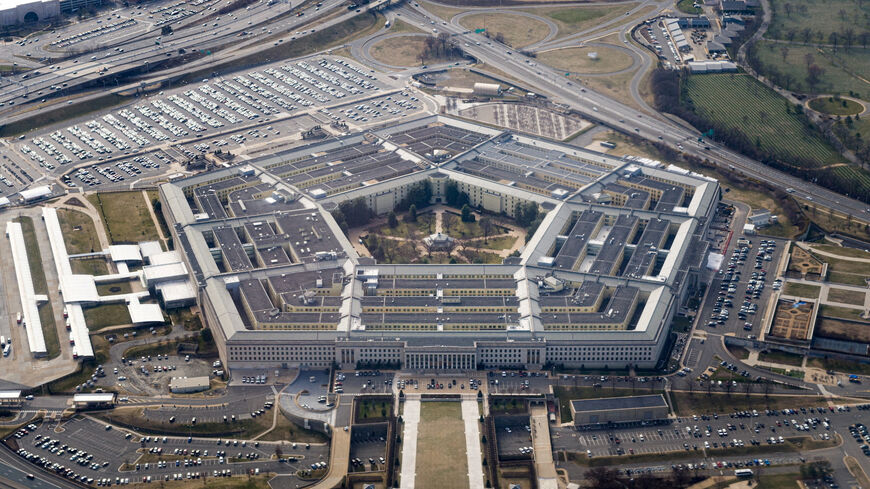
FILE PHOTO: The Pentagon is seen from the air in Washington, U.S., March 3, 2022, more than a week after Russia invaded Ukraine. REUTERS/Joshua Roberts/File Photo

Israel strikes Lebanon following Hezbollah attacks, widening Iran conflict

By Rami Ayyub, Alexander Cornwell, Nayera Abdallah, Maha El Dahan and Laila Bassam

JERUSALEM/TEL AVIV/DUBAI/BEIRUT, March 2 (Reuters) - Israel launched new air strikes targeting Tehran and expanded its military campaign to include attacks on Iran-backed Hezbollah militants in Lebanon on Monday, as U.S. President Donald Trump signaled the U.S.-Israeli military assault on Iranian targets could continue for weeks.

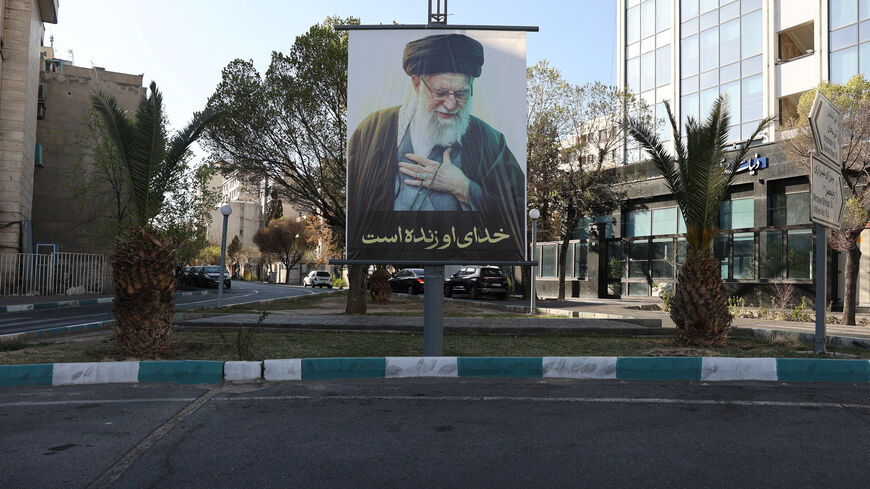
A banner of Iran's Supreme Leader Ayatollah Ali Khamenei on a street, after he was killed in Israeli and U.S. strikes on Saturday, in Tehran, Iran, March 1, 2026. Majid Asgaripour/WANA (West Asia News Agency) via REUTERS

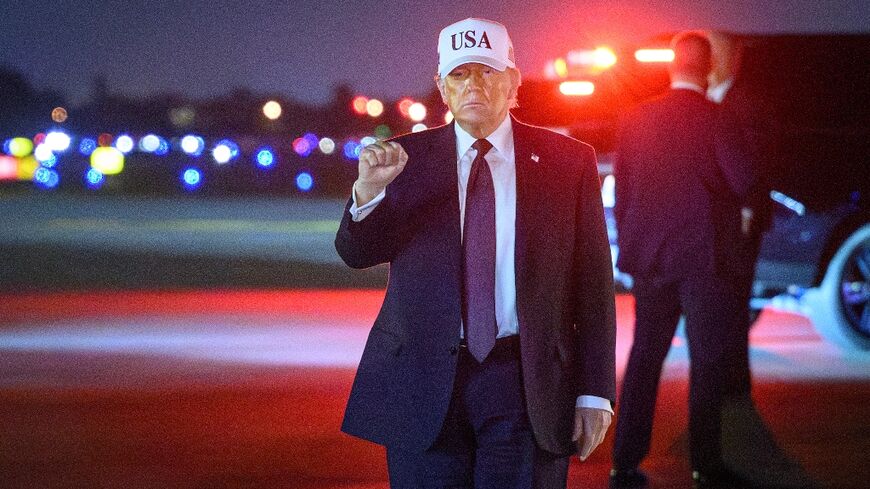
Trump hunkers down after Iran strikes

Hunkered down at his luxury Mar-a-Lago resort in Florida, US President Donald Trump kept an unusually low profile after announcing the start of huge military strikes on Iran.

Trump eschewed the grand Oval Office addresses to the nation favored by his predecessors to announce foreign wars, and opted instead for an eight-minute video on his Truth Social network.

Posted at 2:30 am on Saturday, the short statement in which Trump stood at a podium wearing a white baseball cap was the last the world would see of the US commander-in-chief until another video on Sunday afternoon.

US President Donald Trump has not answered questions in public since Friday

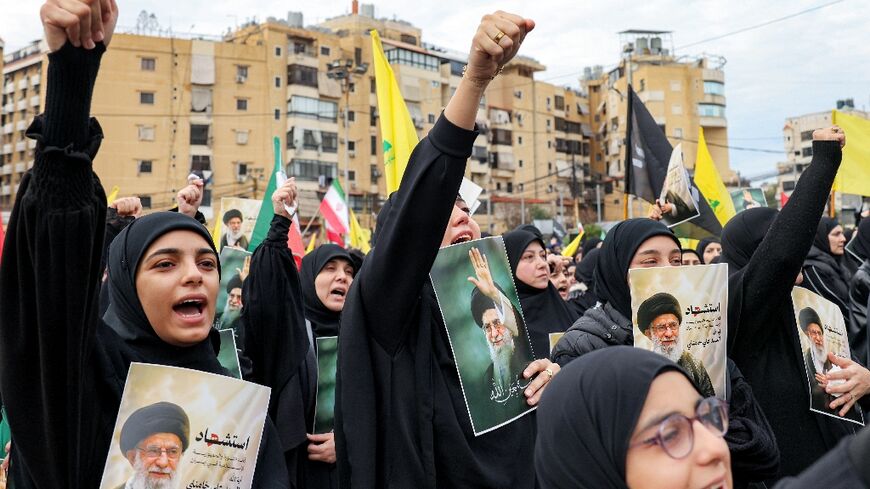
Israel kills 31 in Lebanon, vows to expand strikes after Hezbollah fire

Israeli strikes on Lebanon killed at least 31 people on Monday, authorities said, following rocket fire from Tehran-backed militant group Hezbollah after the killing of Iran's supreme leader.

Israel's military vowed to intensify its attacks on the country and make Hezbollah pay a "heavy price" after launching several strikes on Beirut's southern suburbs and south Lebanon, areas where Hezbollah holds sway.

Lebanon's Shiite Muslim Hezbollah movement views any attack on Iran's supreme leader as a red line

Energy prices soar on Iran war fallout, stocks slide

Oil and gas prices soared, stock markets slid and the dollar firmed on Monday as the widening Iran war shook financial markets across the globe.

European natural gas prices rocketed more than 50 percent higher after Qatar's state-run energy firm said it had halted liquefied natural gas production following Iranian attacks on facilities at two of its main gas processing bases.

Oil prices surged and stocks sank after US and Israeli forces began striking Iran at the weekend