Israel says Lebanon offensive plan 'approved' as tensions surge

The Israeli army on Tuesday said plans for an offensive in Lebanon were "approved and validated" amid escalating cross-border clashes with Hezbollah and a relative lull in Gaza fighting.

The war in Gaza has heightened tensions across the region, with Israeli forces and Lebanon's Iran-backed Hezbollah, a Hamas ally, exchanging fire on a near-daily basis.

"Operational plans for an offensive in Lebanon were approved and validated" as commanders met for a situational assessment, the army said in a statement.
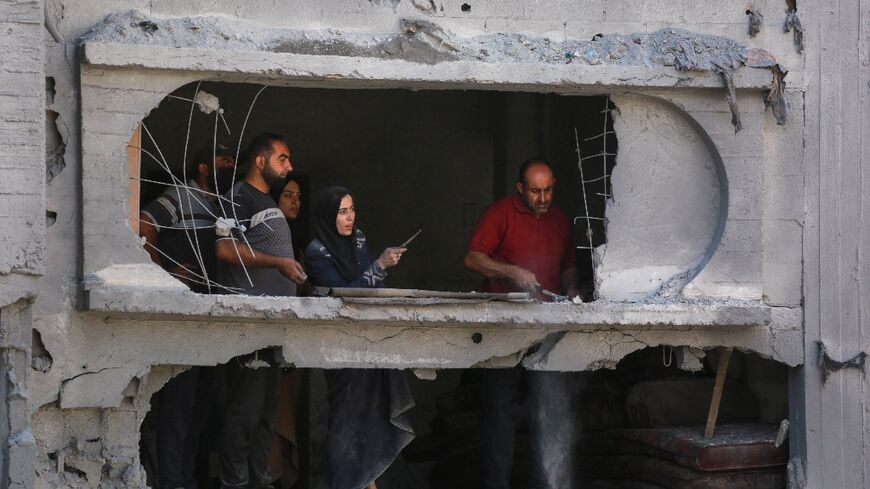
Palestinians at a damaged apartment block following overnight Israeli strikes in Bureij refugee camp in the central Gaza Strip

Unveiling Tunis: mural celebrates 'invisible' talents

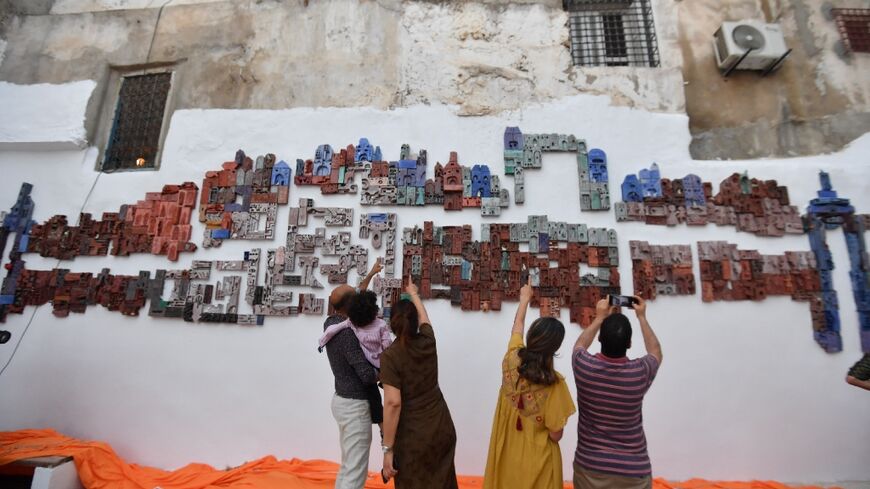
In the old medina of Tunis, a wall installation titled "1001 Bricks" showcases the talents of "invisible" creators, including art students, people with disabilities and school dropouts.

Led by Swiss artist Anne Francey, the project took shape over a year through workshops that culminated in a large bas-relief made of carved and painted clay bricks, reimagining the cityscape.

The massive artwork now graces a square in the UNESCO-listed old town of the Tunisian capital.

'1001 Bricks' took shape over a year through workshops that culminated in a large bas-relief made of carved and painted clay bricks, in the old medina of Tunis

Thousands of Israelis turn out for anti-government protest

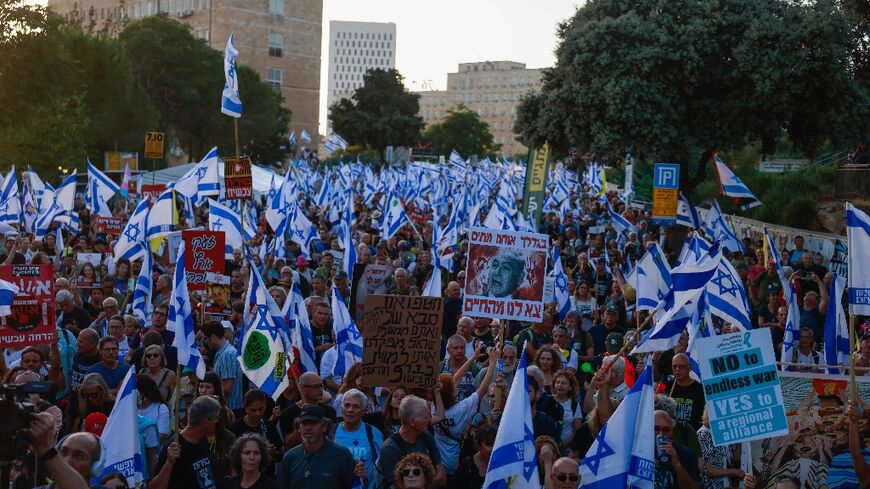
Thousands of Israelis protested against Prime Minister Benjamin Netanyahu's government on Monday over the Gaza war and failure to negotiate the release of scores of hostages still held in the Palestinian territory.

Protests against Netanyahu's handling of the war against Hamas militants have gathered pace, with tens of thousands taking to the streets of Israel's biggest city, Tel Aviv, every weekend.

Weekly protests against the Israeli leader's handling of the war against Hamas militants have gathered pace

Biden envoy in Israel as northern border tensions flare

A US envoy held talks with top Israeli leaders to press for de-escalation on the Lebanese border, as an Israeli official said Hezbollah had fired thousands of projectiles towards Israel since the start of the Gaza war.

Israel and Hezbollah, a Hamas ally, have traded near-daily cross-border fire since the Palestinian militant group's October 7 attack on Israel which triggered war in the Gaza Strip.

But exchanges have escalated and last week saw Hezbollah's largest simultaneous attack, after an Israeli strike killed a senior commander from the group.

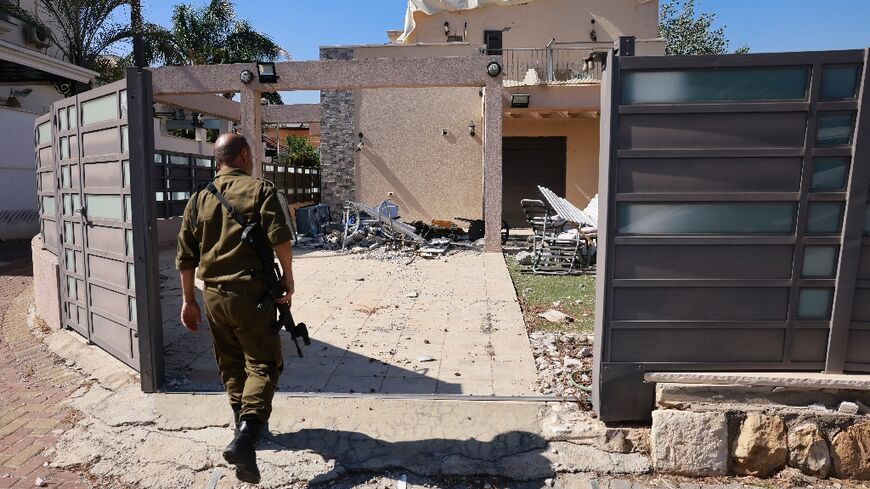
An Israeli soldier checks a house that was hit by a Hezbollah rocket in Kiryat Shmona, northern Israel, near the Lebanon border

Displaced Lebanese return to southern border to mourn, pray over Eid

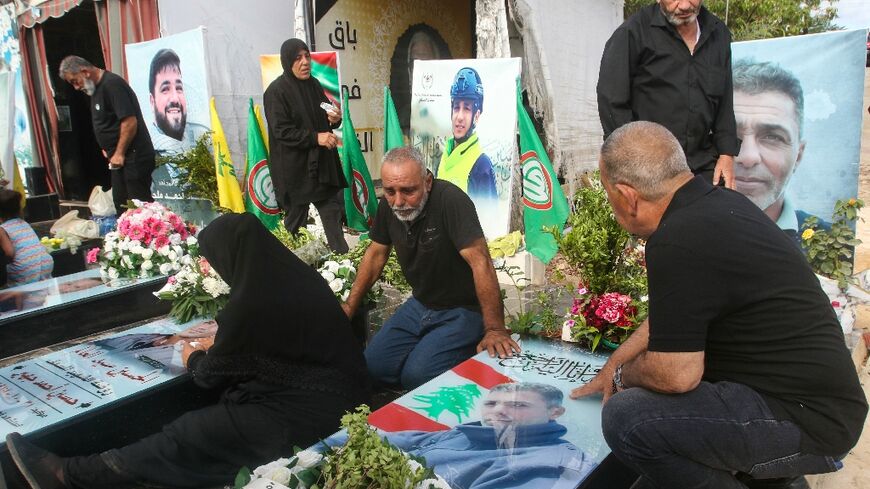
Some displaced residents of southern Lebanon returned Monday to their towns for a key Muslim holiday to pray and mourn loved ones killed in months of cross-border violence between Israel and Hezbollah.

"Today is Eid al-Adha, but it's completely different this year," said teacher Rabab Yazbek, 44, at a cemetery in the coastal town of Naqura, from which many residents have fled.

Every family has lost someone, "whether a relative, friend or neighbour," Yazbek said, adding that two people she had taught had been killed.

Relatives visit the graves of killed Hezbollah fighters during Eid al-Adha in the southern Lebanese town of Naqura

Hajj pilgrimage ends amid deadly Saudi heat spike

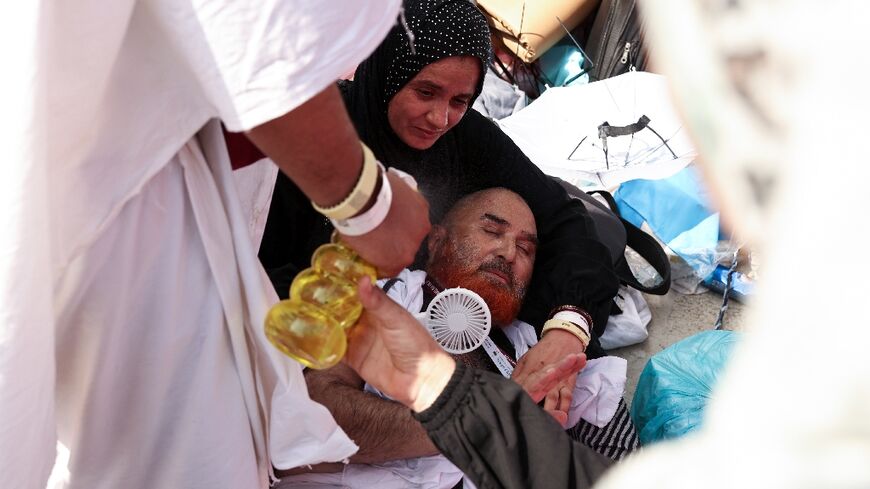
Saudi Arabia on Monday warned of a temperature spike in Mecca as Muslim pilgrims wrapped up the hajj in searing conditions, with more than a dozen heat-related deaths confirmed.

One of the world's largest religious gatherings unfolded during the oven-like Saudi summer again this year, and authorities recorded more than 2,700 cases of "heat exhaustion" on Sunday alone, the Saudi health ministry said.

A man effected by the scorching heat is helped by other Muslim in Mina, near Saudi Arabia's holy city of Mecca

Lull in Gaza fighting despite blasts in south

Israel struck Gaza on Monday and witnesses reported blasts in the besieged territory's south, but fighting had largely subsided amid an army-declared "pause" to facilitate aid flows.

The relative calm came as Israel's Prime Minister Benjamin Netanyahu dissolved his war cabinet, reflecting the country's political fractures.

David Mencer, spokesman for the prime minister's office, said the body had been disbanded following the resignation of centrist leader Benny Gantz, who had required a war cabinet's formation in order to join a unity government.

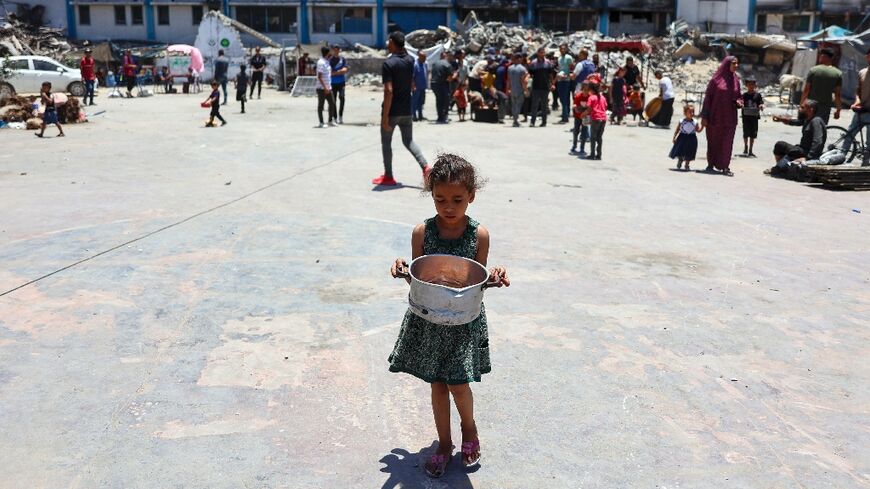
A child carries food at a UN agency for Palestinian refugees (UNRWA) school in Jabalia camp, northern Gaza, where the UN has warned of famine

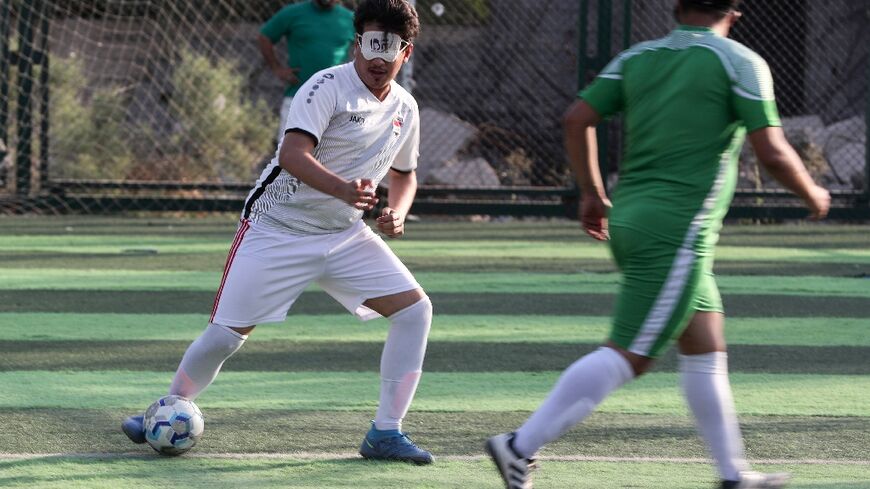
Blind footballer brings game to visually impaired Iraqis

When football fanatic Othman al-Kinani became blind in 2008, the loss of his sight hit him hard, not least because he thought he'd have to hang up his boots for good.

Now aged 51, Kinani described his struggle to rebuild his life. "I even forgot how to walk," he told AFP.

"I had to rely on my hearing for everything," he explained, after losing his sight to glaucoma, itself according to him the result of using incorrect medicines to treat allergies.

What made the situation worse "was being separated from football," the Arabic language teacher added.

Visually impaired Iraqi footballers train in Baghdad for the five-a-side sport

Parents of Israeli soldiers in anxious wait as Gaza war drags on

David, a 61-year-old Israeli, has been on edge ever since his soldier son was deployed to Gaza, where the war sparked by Hamas's October 7 attack shows little sign of abating.

"As a father, I'm always nervous," David told AFP at the family's northern Israel home, just after his son Yonatan, 22, left to join his army unit in Rafah, the focus of recent fighting in the southern Gaza Strip.

The family has asked to use first names only for safety reasons.

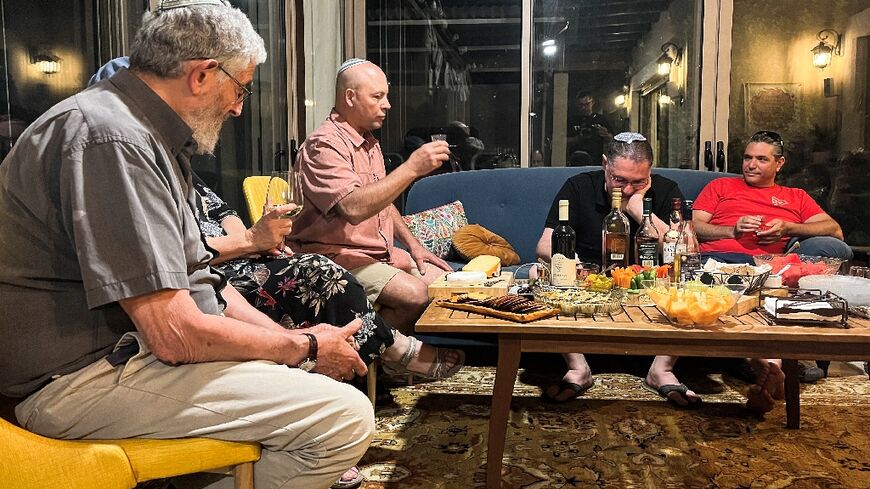
'As a father, I'm always nervous,' David said at the family's northern Israel home, just after his son Yonatan, 22, left to join his army unit in Rafah

Once fruitful, Libyan village suffers climate crisis

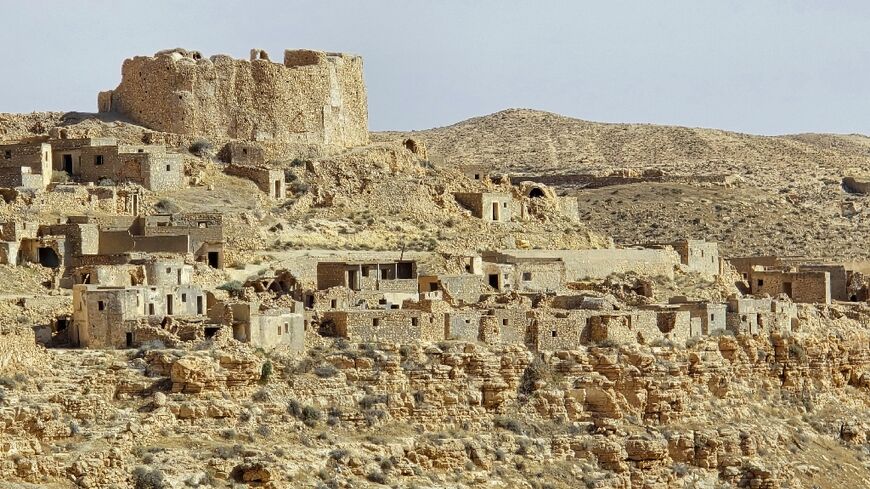
In the Libyan village of Kabaw in the Nafusa Mountains, M'hamed Maakaf waters an ailing fig tree as climate change pushes villagers to forsake lands and livestock.

Once flourishing and known for its figs, olives, and almonds, fields around Kabaw, located some 200 kilometres (124 miles) southwest of Tripoli, are now mostly barren and battered by climate change-induced drought.

The area was once "green and prosperous until the beginning of the millennium," Maakaf recalled. "People loved to come here and take walks but today it has become so dry that it's unbearable."

Kabaw, like many villages in the Nafusa Mountains, is primarily inhabited by Amazigh people, a non-Arab minority