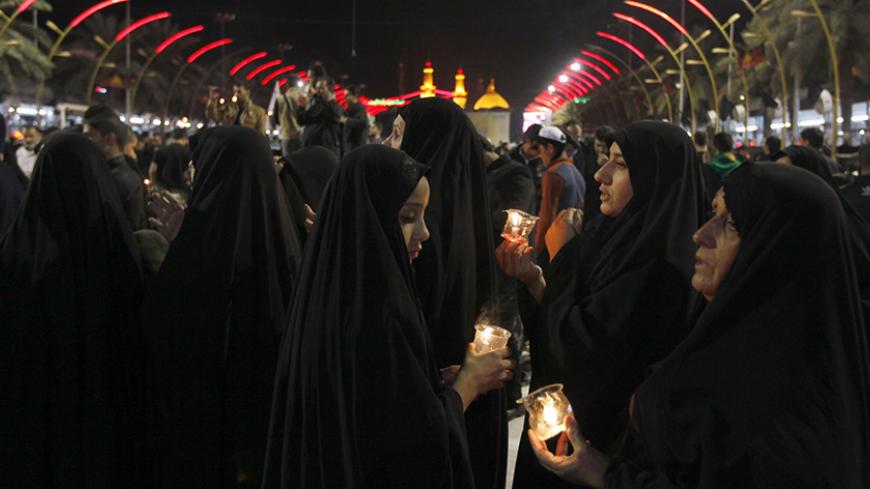
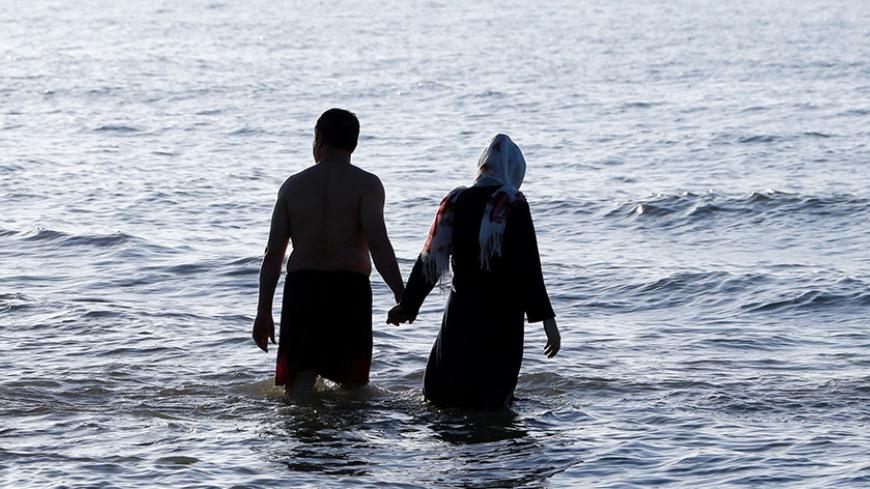
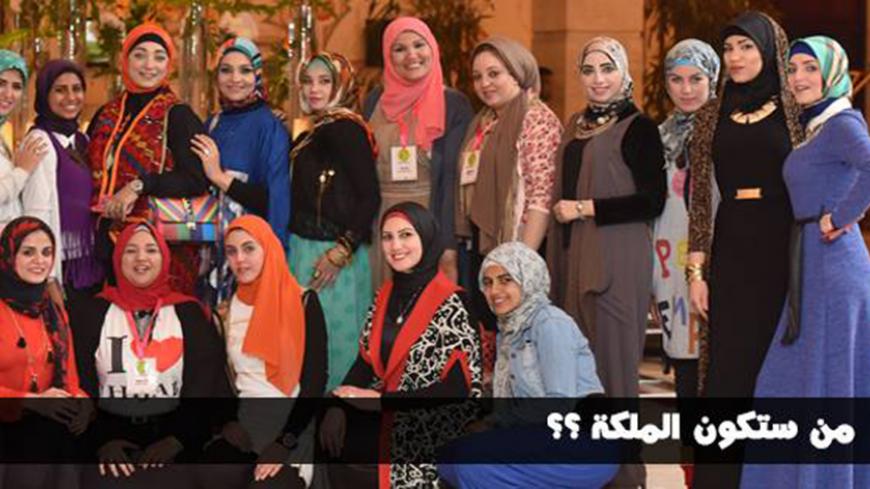
Discussion of the Islamic veil took up a tiny part of books on Islamic law, or Sharia, before the beginning of the last century. Covering one’s head was mainly considered a precondition for women to conduct certain rituals such as daily prayers. There were discussions about general rules for dress, namely that men and women should cover specific parts of their bodies. Today, the topic has become central to many debates about religion in Iran, as well as many other countries with a significant Muslim population. For instance, Iran’s police recently announced that cars driven by “poorly veiled” women would be confiscated.
In Iran, veiling gained significance in the early decades of the 1900s, when a majority of people found themselves under pressure to give up their customary dress and wear Western clothes. Following Turkey's "hat law" of 1925, a similar law to unveil women was passed by Reza Shah Pahlavi in 1936 and brutally implemented. When people protested the law, government forces responded with bullets. Hundreds died in a single protest in the northeastern city of Mashhad that year. Hence, the veil became highly politicized — and symbolic. Clerics reacted to the efforts to undermine the veil with a counteroffensive that emphasized the veil's religious importance. Between 1911 and 1969, religious scholars wrote dozens of new treatises about the centrality of the veil to Shiite teachings, making it a pivotal symbolic element of Shiite Islam.
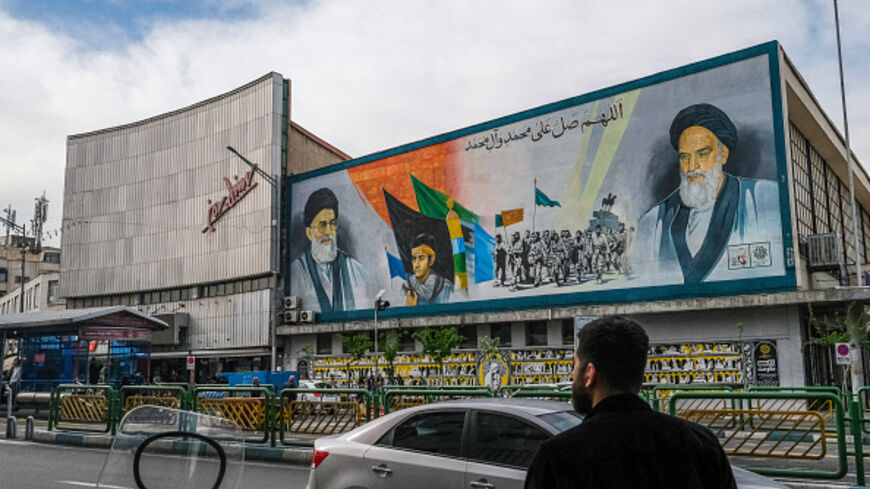
On the other end of the spectrum, a few months after Iran’s 1979 Islamic Revolution, the veil became a controversial issue again. Unveiled women were seen as anti-revolutionary as the veil became a symbol for revolutionary zeal. Indeed, in 1980, government buildings in Iran denied entry to unveiled women, and soon after, all women had to cover their heads in public spaces.
Over three decades after the Islamic Revolution, the veil is still important to the Iranian state as a symbol of political allegiance and an indicator of the Islamic Republic’s commitment to Islamic values. The prevailing view is that religious symbols should be preserved, especially in the public sphere, to guarantee the support of both traditional clerics and lay people. A compromise by the government on this matter would be interpreted as a political defeat and an eye-catching political victory for the opposition. Hence, no political actor is willing to take on the matter of the veil.
AL-MONITOR All-Access gives you unlimited access to all our journalism, the full Daily Briefing, exclusive interviews, premium newsletters, and live events — for less than $2/week.