



Will 'Oct. 10 Revolution' Materialize Against Hezbollah?
Secular Shiite opponent of Hezbollah Rami Ollaik has declared his is leading a movement against the party, though many believe nothing will come of it.
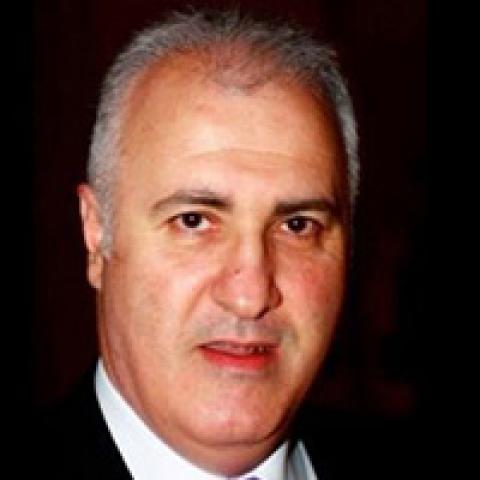

On Oct. 10, will Beirut witness a “Shiite revolution against Hezbollah?” Is this some kind of political propaganda started by opponents of the most powerful Shiite organization in Lebanon, or a joke made by a person or a group of people?
This question arises against the backdrop of the call launched by a Lebanese citizen named Rami Ollaik via media outlets and social networking sites. Ollaik called for a demonstration and a sit-in in Martyrs' Square, in the heart of the Lebanese capital. This demonstration would have as its slogan the "October 10 Revolution,” in protest against the sectarian system in Lebanon and Hezbollah.
Ollaik and five of his supporters announced this date at a press conference held on Aug. 1. They expect their call to start a revolution similar to the Cedar Revolution, which took place in Beirut in 2005, and are confident that this call will specifically be heeded by Shiites who reject the Shiite Hezbollah.
Under normal circumstances, this call would be ordinary in a country suffering from all the concurrent crises and worsening conflicts. However, this call has more resonance, given that one of its launchers is Ollaik. This young Lebanese — born in Khiam, southern Lebanon, in 1972 — presents himself in his media speeches and on the Internet as “a former leader of Hezbollah.” He says that after a study trip to the United States — one that was forcibly interrupted after the events of 9/11 and after the US authorities arrested and interrogated him — he turned against Hezbollah, left its ranks and started writing about it in opposition.


