



Israeli Poet Longs for Iraq He Never Knew
Ronny Someck, an Israeli poet born in Baghdad, responds in an interview with Jacky Hugi to the call by Sheikh Moqtada al-Sadr for Iraqi Jews to return home.
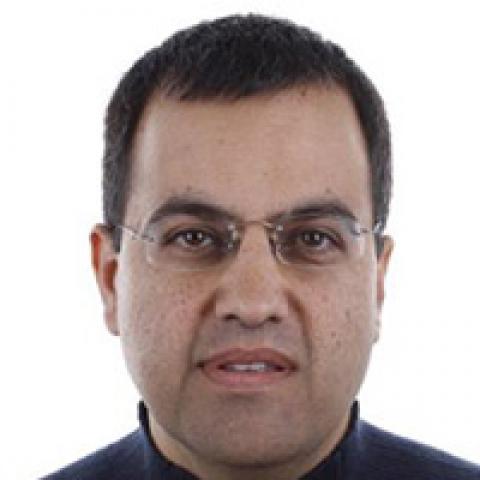

“I was waiting for this call,” said Ronny Someck. The Baghdad-born Israeli poet was glad to hear the words of Shiite leader Moqtada al-Sadr. Speaking in the holy city of Najaf, al-Sadr called on Iraqi Jews to come back and help rebuild their homeland.
Someck, 61, who was born in Baghdad but never went back to visit, has flirted with his country of origin for many years. A state of enmity exists between Baghdad and Jerusalem and Jews have yet to be granted the Right of Return. Nonetheless, many Iraqi Jews were excited by the declaration of the pro-Iranian leader. None of them is naïve enough to think that the head of the armed al-Mahdi Army militia would be the one greeting them with flowers at Baghdad’s international airport. Actually, why go that far. None of them plan to go there any time soon. But it is clear that such a pronouncement lays the groundwork for similar declarations in the future, declarations that will pave the way for a rapprochement between the Jews of Babylon and their homeland, or the land where they lived in exile for 2,700 years.
“I knew a leader would come along and say ‘let’s rebuild the ties’,” says Someck. “Even though his words have no current practical outcome, they embody a metaphor for the ties that existed there between Jews and Muslims and Christians.”
In its heyday, the Iraqi Jewish community numbered 140,000. The vast majority emigrated in the years following the establishment of the State of Israel. A minority remained but left gradually over the following decades. Today there remain fewer than 10. They left behind weighty memories, a shared life with their neighbors and much property. Most of them live with their offspring in Israel. A minority live in the West.


