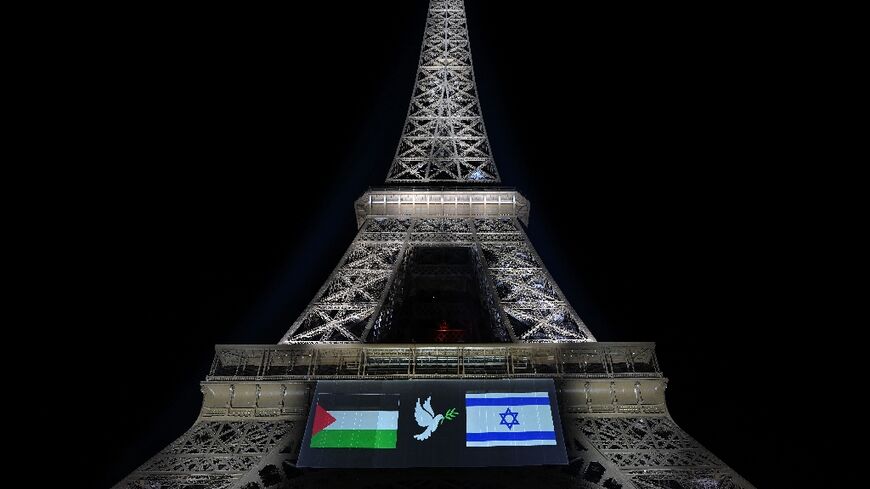
Israel’s Security Cabinet on Aug. 5 discussed once again the developing agreement with Hamas. Most details of the deal remain under wraps to avoid a leak that could possibly torpedo it. Egypt and UN envoy Nickolay Mladenov are involved in the negotiations along with the two parties.
A source from Hamas' pragmatist camp told Al-Monitor that a deal lifting Israel’s 11-year siege of Gaza would be a victory for the popular struggle conducted by residents of the enclave in recent months. The multi-stage understandings that Egypt and Mladenov are promoting are nearing the final phase, with the Hamas leadership awaiting decisions by Israel.
While Hamas would like to present such an agreement to Palestinians in Gaza as the successful culmination of an armed and popular struggle, Israel is seeking to blur the fact that it is conducting negotiations with a movement it has long excoriated as a terror organization. Instead of saying that these are the first talks in 11 years on lifting the blockade of Gaza, Israeli officials speak of “regulation” of Gaza. Israel has used similar euphemisms in the past to describe deals with the Palestinians. The 2005 withdrawal of Israeli troops and settlements from Gaza was called “disengagement.” At the end of the 1990s, the term “pulse” was used to describe Israel’s phased withdrawal from parts of the West Bank under the terms of the Oslo Accords. Either way, the latest Security Cabinet session dealt with removing the economic pressure on Gaza and lifting most of the restrictions that Israel has claimed for years were critical in its fight against Hamas.
This state of affairs is reminiscent of the arguments Israel made against a pullout from Lebanon until it withdrew in May 2000. At the time, the prevailing political and public narrative said that withdrawing from Israel's self-declared “security zone” in southern Lebanon was unacceptable because the risks would far outweigh the price Israel had paid to remain there for almost two decades. Israel had invaded Lebanon in a campaign it dubbed Operation Peace for Galilee on June 6, 1982, and eventually it would see 670 Israeli soldiers and other security personnel killed; four were declared missing. The military pullout ordered by the government of Prime Minister Ehud Barak proved that the so-called “security zone” did not contribute to safeguarding Israel’s security, certainly not in any way that would justify such extensive loss of life in those years.
AL-MONITOR All-Access gives you unlimited access to all our journalism, the full Daily Briefing, exclusive interviews, premium newsletters, and live events — for less than $2/week.