



Israeli doctors reject force-feeding prisoners on hunger strike
With Palestinian prisoners on a hunger strike for the fourth week now, it is highly likely that some prisoners will suffer permanent health damage and possible death.
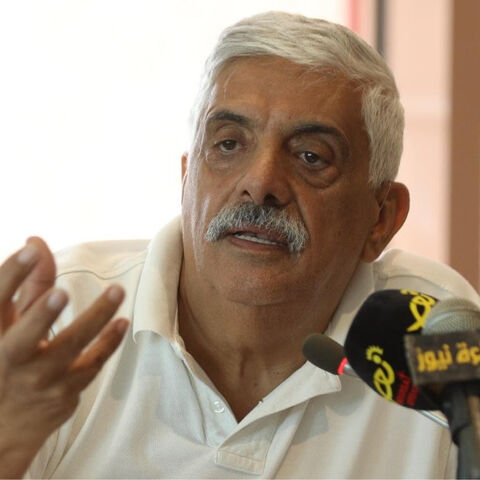

Israeli doctors continue to reject attempts by prison authorities to participate in any force-feeding or forced treatment of Palestinian prisoners who are on a hunger strike.
Ran Goldstein, the Israeli executive director of Physicians for Human Rights Israel (PHRI), told Al-Monitor that Israeli doctors see any force used in medical treatment as unethical. “Our organization and the Israeli Medical Association (IMA) see eye to eye on this issue. Force-feeding or forced treatment are unethical, and Israeli doctors will not participate in them.”
The IMA has, for a number of years, refused to participate in any force-feeding of prisoners. “Forced-feeding is equivalent to torture, and every physician has the right to refuse to force-feed a hunger striker against his or her will,” the IMA states in its guidelines, as per the National Lawyers Guild and reported by Al Jazeera in 2015.
The International Committee of the Red Cross (ICRC) also opposes force-feeding. The ICRC stresses the importance of respecting the choices and preserving the dignity of detainees. The World Medical Association (WMA) adopts a similar position, as expressed in the 2006 revision of the Tokyo and Malta declarations.


