



Gulen casts a large shadow over Turkey’s ties with West
Erdogan’s fury grows as more European countries express doubt that Gulen is behind last year’s failed coup against him.
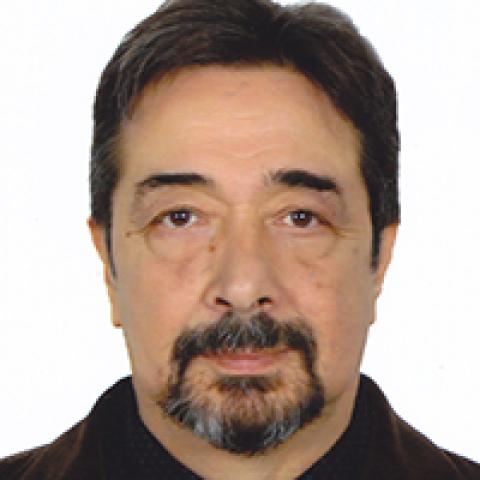

Fethullah Gulen, the self-exiled Islamic cleric residing in Pennsylvania who Ankara accuses of masterminding July’s failed coup attempt against President Recep Tayyip Erdogan, has become one of the main obstacles to improving Turkey’s ties with the United States and Europe.
The perception that Washington is harboring Gulen while European countries are deliberately providing refuge to his followers is increasing Erdogan's fury toward the West. It is also intensifying virulent anti-Western sentiment among his followers.
Bruno Kahl, the head of Germany’s Federal Intelligence Agency (BND), poured fuel on Erdogan’s anger recently when he said he doubted that Gulen was behind the coup attempt.
"Turkey has tried to convince us [about Gulen] at every level, but so far it has not succeeded," Kahl told the news magazine Der Spiegel. He added that the Gulen movement, which has a wide international network of schools, was a "civil association that aims to provide further religious and secular education."


