



Fatah congress to usher in new generation of Palestinian leaders
The seventh Fatah congress, to be held Nov. 29 in Ramallah, is expected to bring a younger face to the Palestinian leadership.
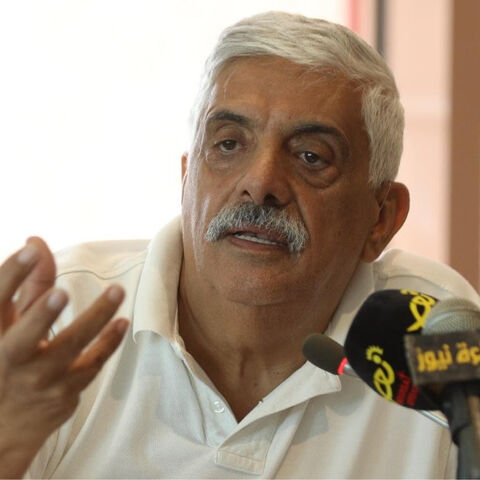

The 1,500-plus delegates of the seventh Fatah congress, the next generation of Palestinian leaders, will be relatively younger (in their 40s and 50s) and more representative of the occupied territories than the current leadership. The congress, to be held Nov. 29 in Ramallah, will agree on a political platform and an action plan for the Palestinian struggle and elect the new members of the movement’s Revolutionary Council and the Central Committee. Currently, the 22 members of Fatah’s Central Committee and 100 members of the Revolutionary Council are older and represent leaders who returned to Palestine after the 1993 Oslo Accord such as Mahmoud Abbas, Abu Maher Ghneim, Abbas Zaki and Mahmoud al-Aloul.
Notably, the sixth congress was held in Bethlehem in 2009 after a 20-year lull in meetings.
Congressional delegates vote using secret ballots. The once secretive liberation movement published the names of its delegates to the Nov. 29 congress, giving the world a glimpse at the next crop of Fatah leaders. The most prominent feature of the list was its exclusion of renegade Fatah leader Mohammed Dahlan and his supporters.
A quantitative look at the delegates shows that about 1,100 of the 1,500 voters, or 73%, come from the West Bank (including East Jerusalem) and the Gaza Strip. Less than 400 delegates reside outside Palestine. Furthermore, 167, or 11%, of delegates are women, and 33, or 2%, are Christian. One delegate, Uri Davis, an Israeli Jew, was elected to the Revolutionary Council during the sixth congress in 2009.


