



Do DNA samples hold key to Israel's missing children mystery?
As one Likud minister combs through long-classified documents, another Knesset member is advancing a DNA collection project that could shed light on the six-decades-old mystery of missing Yemenite children, but it's a race against time as their parents age.

Shlomi Bahagli was buried Oct. 18 in Rosh Ha’ayin, having reached the age of 92. For more than 60 years he never stopped searching for his son Hayim, who disappeared as a baby. Bahagli died without knowing whether his son had been taken from him and given to another family, with the knowledge and involvement of the State of Israel. He was told that the baby died of illness at the hospital. There are many other families in Israel like his, mostly of Yemenite origins, who claim that their children were taken from them shortly after they immigrated to Israel in the early 1950s and given to Ashkenazi families for adoption.
The sadness that enveloped Bahagli’s family and friends at his death was compounded by an overwhelming sense of missed opportunity, because the day he died, he was scheduled to take a DNA test that could have shed light on the fate of his son.
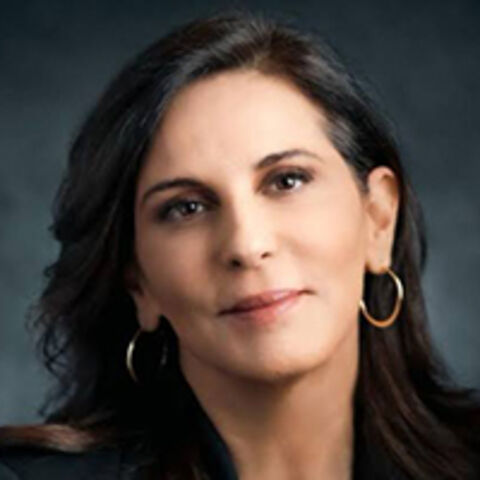
“It makes me sad that Shlomo didn’t get to take the DNA test, and it just convinces me that we’re in a race against time to reach the truth, because the generation of parents of the disappeared children is dying off,” Knesset member Nurti Koren (Likud) told Al-Monitor. She is currently leading a private initiative to build a databank of DNA samples of those believed to have been involved.
Koren, born to parents of Yemenite background, has recently found herself fully committed to solving the mystery that has been roiling the State of Israel for more than six decades. The DNA databank is meant to be a breakthrough. Surprisingly, the state refused to sponsor it, and Koren had to turn to a private firm that volunteered to donate the funds for the project. In recent weeks, first-degree relations of the children who disappeared have started to give saliva samples, and the databank is growing. On the day of Bahagli's burial, Koren came to Rosh Ha’ayin to participate in a panel on the topic as part of the Teymana festival for Mediterranean culture and heritage.


