



Iraq's political leaders on quicksand as alliances fracture
While Iraq's defense minister and parliament speaker trade accusations of corruption, the major political blocs that support them are threatening to split and reorganize themselves along nonsectarian lines.
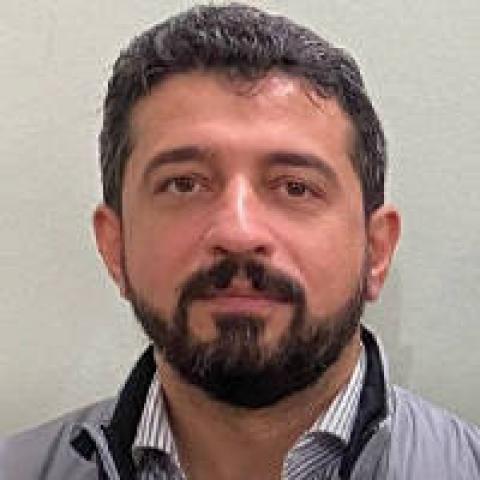

NAJAF, Iraq — Iraq's Defense Minister Khaled al-Obeidi's interrogation by parliament on Aug. 1 has generated controversy on the Iraqi political arena. From the very start of his questioning, Obeidi became the interrogator, hurling accusations at his opponents among many senior political leaders in the parliament.
Parliament Speaker Salim al-Jabouri, a Sunni who had his share of accusations from Obeidi, left the interrogation session in objection.
Obeidi claimed that he had been bribed and pressured to pass corrupt deals and appoint certain individuals as well as those affiliated with a certain political bloc.
Obeidi's accusations were hurled at both Sunni and Shiite members of parliament but mainly focused on certain political blocs known for their hostility toward him that led to the previous interrogation sessions. Most of Obeidi's accusations were directed at parliament members for the Sunni Islamic Party, including Jabouri, as well as other Shiite parliamentarians in the State of Law Coalition, such as Alia Nassif and Hanan al-Fatlawi.


