



Israeli opposition leader: 'Peace will have to wait'
In an interview with Al-Monitor, Zionist Camp and opposition leader Isaac Herzog discusses his new plan to restore security while waiting for the right time to resume pursuit of a two-state solution.
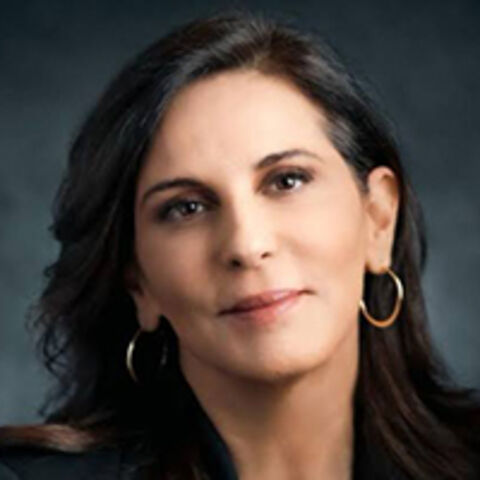

Zionist Camp and opposition leader Isaac Herzog flew to Paris Jan. 21 on a diplomatic visit. In his briefcase, he carried his Plan for Separation from the Palestinians, which he plans to present to French President Francois Hollande and Foreign Minister Laurent Fabius.
Herzog's plan is based on the assumption that it is impossible to implement a two-state solution in the immediate future, because Prime Minister Benjamin Netanyahu and Palestinian President Mahmoud Abbas are both wary of moving in that direction. The first stage of Herzog's plan calls for restoring calm and focusing on reinstating security through various steps taken by Israel. Chief among the steps is “separation from as many Palestinians as possible” in as short a time as possible. The part of the plan that draws the most attention, and rightfully so, is Herzog's proposal to separate the Palestinian areas of East Jerusalem from the rest of the city. He suggests doing this by building a wall. Herzog also recommends completing construction of the separation wall in the West Bank in a way that includes the large settlement blocs adjacent to Israel.
Herzog had revealed his new plan in a Jan. 19 speech at the annual conference of the Institute for National Security Studies in Tel Aviv. His plan is a refreshing initiative for the Zionist Camp, the largest party in the center-left bloc. It offers a realistic reading of the situation. According to Herzog's perspective, it is impossible at the moment to reach a two-state solution, so there is no choice but to postpone it to a later date. In the meantime, the focus should be on restoring security. Until the March 2015 elections, the leaders of the left, including Herzog and Tzipi Livni, had stuck to the tired paradigm of a two-state solution. They could not, however, adequately respond to the right’s argument that “there is no one to talk to.”
It appears that Herzog adapted his new approach in light of the current reality. He is distancing himself from automatically aligning with plans for diplomatic negotiations based on a two-state solution. Instead, he is proposing an interim plan that will save the two-state solution from becoming an impossibility by freezing construction outside the major settlement blocs and promoting trust-building economic measures, especially ones that can help restore calm. Over the coming weeks and months, Herzog will promote his plan to Israelis, hoping that it will create public pressure sufficient to force Netanyahu into adopting at least some of his ideas.


