



Will social media spark a third intifada?
Social media campaigns encourage and intensify the recent Palestinian outbreak that no party can control unless one "thinks differently," suggests media analyst Orit Perlov.
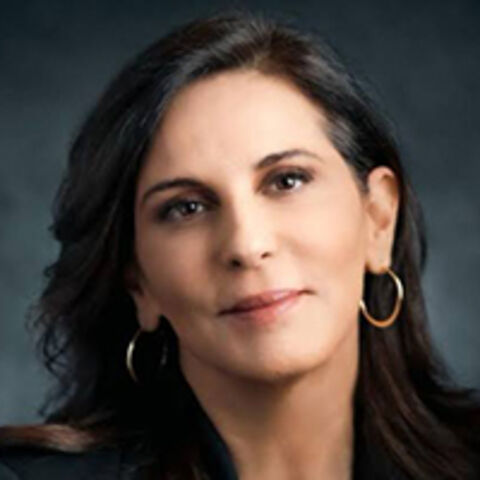

“There is no leadership behind the current wave of terrorist stabbings,” says Orit Perlov, social media analyst on trends in the Arab world, at the Institute for National Security Studies. Perlov began to see indications of young Palestinians organizing online right after Operation Protective Edge (July-August 2014). She describes the current wave of terrorist stabbings as a case of radicalization, without any leadership, and without any clearly defined objectives. Hamas and the Islamic Movement are simply trying to seize control of it and manage it accordingly. In an interview with Al-Monitor, she points to the various milestones since last year that led up to the outbreak of terror over the past few weeks, and explains the roles and impact that the Internet has on this lost generation of Palestinians and on the Israeli public. And yet, despite all the discouraging news, she also has a message of hope.
The text of the interview follows:
Al-Monitor: For the past few days, the conventional wisdom among pundits has been that social networks are behind the current wave of terror. What do you think about that?
Perlov: The answer is much more complex than that. On the one hand, the Internet is the largest information platform in the world. It broke the monopoly on information. There are no more edited images. You get everything sent directly to your smartphone in real time. You actually see the female terrorist who stabbed a passerby and the terrorist who was killed. It all comes to us directly, in an unmediated format. These images penetrate our homes in real time, and in very high doses.


