



Reform Judaism grows in Israel
Though the pushback from some ultra-Orthodox politicians and others is still harsh, the leaders of the Israel movement for Reform and progressive Judaism feel that more Israelis are opening up to them and supporting their vision of Judaism and solidarity.
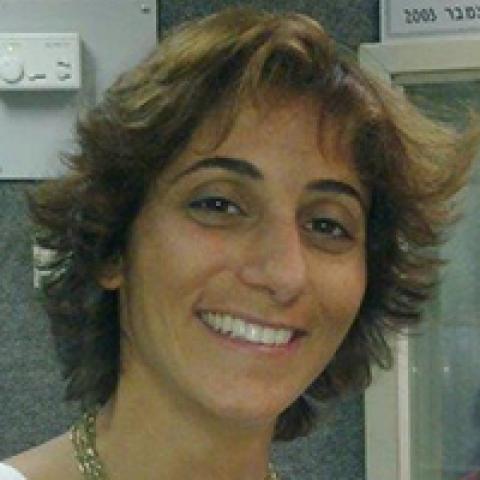

On the eve of Rosh Hashanah, members of the Or Hadash congregation in Haifa gathered for a festive prayer service. In contrast to Orthodox synagogues, where there is total separation between men and women, the 60 families in this community all sit together. This unity is one of the most plainly evident differences between Reform and Orthodox synagogues in Israel. Another difference lies in religious leadership. Prayer at Or Hadash is led by Rabbi Oshrat Morag, a woman (something unheard of among the Orthodox); the evening included her sermon and explanation of the service in which all members participated.
“I hear from people that at synagogue services they don’t know why everything is done, when you stand and when you sit. We explain it to them. We want them to feel at home from a religious and communal standpoint,” Morag told Al-Monitor.
The word “community” is characteristic of the discourse of Reform Judaism. Its people use it to describe their attempt to form groups of members that are engaged, inclusive and active in Jewish culture and tradition.
Morag has had first-hand experience of the tension in Israel between Orthodox and liberal Judaism. “When people ask me what I do for work, I no longer tell them. In my experience it leads to fights and arguments. When I responded honestly and said I was a Reform rabbi, some people have said, 'Hmm, interesting,' but more than a few have said 'You’re heretics' or 'You’re a woman and you’re not allowed to touch the Torah scroll' or similar statements. I felt that it stems from some kind of brainwashing and unfamiliarity with Reform Judaism.”


