



How one West Bank mosque is reconnecting with local Palestinians
By encouraging Hebron's Palestinian residents to hold weddings and other celebrations in the Ibrahimi Mosque, officials and activists hope to restore their connection to the sacred site.
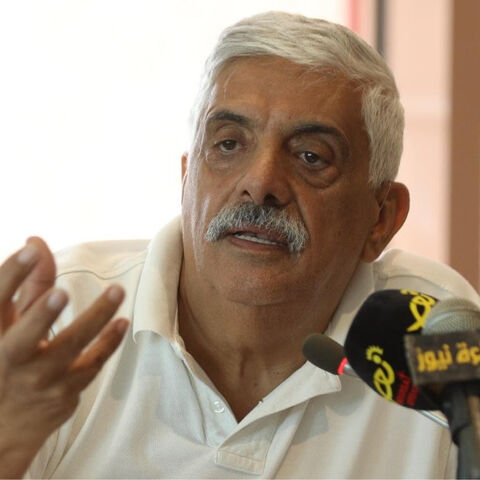

Azmi Shuokhi has been on a mission for some time now. As the head of the local popular committees for Hebron, he has been trying to convince fellow Hebronites not to abandon the Ibrahimi Mosque. His idea is simple and peaceful: He wants all the Palestinians of the city to hold their social events — especially weddings — on the mosque’s grounds.
Shuokhi, who is also the head of the consumer protection committee in the city, doesn’t just talk about his idea, he practices it. Speaking to Al-Monitor, Shuokhi explained that he has applied his theory in his own family.
Shuokhi held his own son’s wedding at the Ibrahimi Mosque and invited the local boy scouts to participate in the celebration with their drums and bagpipes. The wedding celebrations were filmed and posted on YouTube May 2. Even the his grandson’s circumcision was celebrated at the mosque Aug. 14.
Shuokhi’s call for increased visits to the mosque aims to stem the tide of Jewish settlers trying to isolate Muslims from the mosque.


