



Joint List leaders must seize momentum
Israeli Arab experts agree that uniting the Arab parties into one joint list is an achievement in itself, but the political leaders must now seize the momentum to address the issues that preoccupy their constituency.
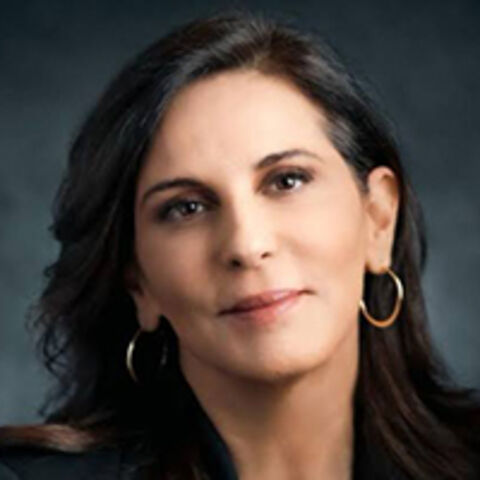

A month ago, Ayman Odeh, chairman of the Joint List of predominately Arab parties, was relatively unknown among the public. Ever since the Arab parties united, however, and formed a single list, he has become a popular interview subject on all of the political news shows. He has even been mentioned as a possible leader of the opposition if, after the elections, the two largest parties — Likud and Zionist Camp — form a unity government, and the Joint List is the third-largest party. The scenario, considered highly unlikely, is based on polls that predict the party will win 13 seats, or in other words, more than either HaBayit HaYehudi or Yesh Atid.
Much has been written about how Foreign Minister Avigdor Liberman, who pushed to raise the electoral threshold to reduce Arab representation in the Knesset, actually ended up forcing the Arab parties to unite in a single list, fulfilling the wishes of most of the people that these parties represent. It was Liberman of all people who enabled the Arab parliamentarians to overcome deep-rooted ideological differences and personal rivalries to create a single, large list. And this happened while Liberman himself was floundering in the polls because of the criminal investigations involving senior members of his own party.
It's already obvious that the Joint List will be one of the most prominent phenomena of the election and the subject of long discussions. Whether the party reaches its own 15-seat goal, or whether it reaches the finishing line with just 12 seats, a large, united Arab faction in the Knesset will undoubtedly have significant impact on the political system in general and the Arab public in particular.
In the past, Arab Knesset members made headlines mainly for their well-publicized and vocal feuds with Knesset members from the right. Other than that, they functioned in four small, competing factions, a factor that prevented them from wielding the full power that their 11 seats gave them. In a break with the past, Odeh has already announced in public interviews that the Joint List will demand the chairmanship of major Knesset committees such as the Finance Committee and the Interior Committee, to ensure that the Arab sector gets its slice of the budgetary pie. He has also said that in exchange for recommending that the president pick Zionist Camp leader Isaac Herzog to form the next government, his party will present a long list of budgetary demands and public statements it expects to hear, to bring about a real change in awareness among the Israeli public.


