



Amal Clooney attracts attention at Armenian genocide trial
The case before the European Court of Human Rights concerns the right of Dogu Perincek, the leader of the Turkish Workers Party, to deny that Armenians had suffered a genocide.
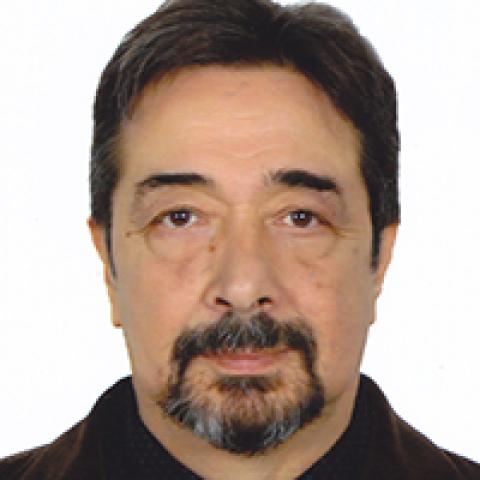

The European Court of Human Rights (ECHR) brought a unique cast of characters together this week in a high-stakes case for Turkey and Armenia that also attracted the attention of the entertainment media. At the center of the stage was Amal Clooney, the renowned human rights lawyer in the limelight because of her marriage to actor George Clooney.
The case being heard in Strasbourg, where Clooney is representing Armenia, centers on the hotly debated genocide Armenians say Ottoman Turks perpetrated a century ago against 1.5 million of their forbears.
The Armenian claim, though it has significant international political and academic support, is nevertheless questioned by the Turkish judiciary in terms of the strict legal definition of genocide. Turkey officially denies the claim, although it acknowledges that hundreds of thousands of Armenians were among the millions of Ottomans killed during World War I.
The case in Strasbourg is the result of an appeal by Switzerland to the ECHR’s Grand Chamber, after a previous ECHR ruling that the right of Dogu Perincek, the leader of the Turkish Workers Party, to express his views freely had been violated by a Swiss court. In 2007, a court in Lausanne sentenced Perincek to 120 days in prison (but converted the sentence to a fine of 17,000 Swiss francs, or about $21,250) after Armenian organizations complained he had violated Swiss laws against racial discrimination when he denied that genocide had been perpetrated against Armenians during a 2005 conference.


