



Kurdish-Baghdad agreement 'temporary,' KRG official says
In extensive remarks to a Washington audience, Kurdistan Regional Government Deputy Prime Minister Qubad Talabani said more negotiations are needed to turn a recent oil and budget agreement with Baghdad into a sustainable revenue-sharing law that could reunite Iraq.
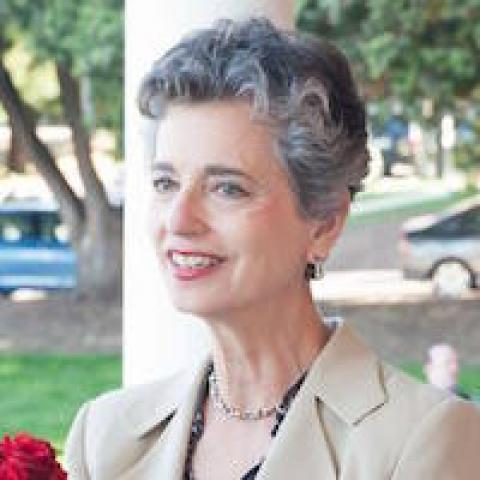

Qubad Talabani, the deputy prime minister of Iraq’s Kurdistan Regional Government (KRG), said Dec. 10 that the oil and budget deal recently signed with Baghdad would provide the Kurds with only 10-11% of the Iraqi budget, not 17% as has been reported. The funds are needed by Erbil to combat Islamic extremists, pay other expenses and care for 1.5 million Iraqis displaced by the fighting.
“We’ve not getting 17%; we’ve never gotten 17%,” Talabani said in response to a question from Al-Monitor. First, he said, the Baghdad government subtracts so-called sovereign expenses, including military and oil company costs. He said the KRG then gets 17% of what is left.
Talabani, in Washington to consult on US policy toward Iraq and the fight against the group that calls itself the Islamic State (IS), referred to the deal inked Dec. 2 as a “temporary agreement” albeit “a very important first step” in reconciling chronic differences between the Iraqi central government and the Kurds. The arrangement, which is to last only one year and must be ratified by the Iraqi parliament, allows the KRG to legally market 250,000 barrels of its own oil and another 300,000 barrels from the disputed territory of Kirkuk on behalf of the Iraqi state oil company.
In the coming year, Iraqis and Kurds hope to reach “a more sustainable agreement” that addresses revenue and power sharing, territorial disputes and includes recognition of the KRG’s own “sovereign costs” for its peshmerga forces and oil production, Talabani said.


