



40 years after division, future of Cyprus still unclear
Despite some positive moves, the future is not yet rosy for Cyprus.
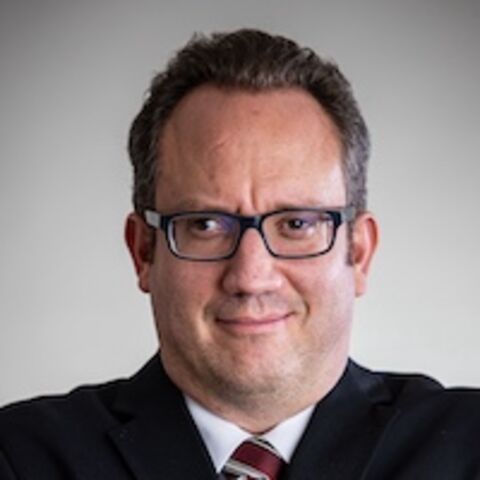

Andreas Mavroyiannis and Kudret Ozersay hold one of the toughest jobs in the world: As the chief negotiators for the Greek Cypriot and Turkish Cypriot governments, respectively, the two men are commissioned to resolve a national, territorial and humanitarian dispute that started before they were even born. Although much less violent now, Cyprus bears similarities to other conflicts in the Levant, especially Israel-Palestine, the Shiite-Sunni divide and the Kurdish question. Just like the mediators of those conflicts, it is unclear whether Mavroyiannis and Ozersay can break the deadlock and broker a peaceful future for the Mediterranean island.
Problems in Cyprus first emerged in 1954. Exasperated with Britain’s colonial rule at the time, the island’s Greek majority undertook acts of civil disobedience and political violence against British authorities. The Turkish Cypriot minority, uncertain of their future in a Greek Cypriot-dominated polity, wanted Britain to stay; they, too, ended up on the receiving end of the majority’s wrath. Although tensions between the two groups subsided after independence in 1960, major fighting did break out in 1963-64 and 1967, both of which featured the “motherlands” of Greece and Turkey. Ethnic tensions again flared up in July 1974 when a Greek nationalist junta overthrew Cypriot President Archbishop Makarios III with the aim of unifying the island with Greece. Fearful of being outflanked by its NATO ally, Turkey sent its military forces to Cyprus.
For 40 years, the island has remained divided amid a quiet but sullen peace. Successive efforts for reunification have failed because the two sides remember their history too well and do not trust each other because of it.
Mavroyiannis and Ozersay reflect this. Like most of his fellow Greek Cypriots, Mavroyiannis, who was a teenager in 1974, perceives Turkey’s presence on the island as an occupation. For many Turkish Cypriots such as Ozersay, whose father, Huseyin, was executed by a Greek Cypriot death squad two months before the Turkish military arrived and who was 8 months old when the island was divided, 1974 marks a second chance in life.


