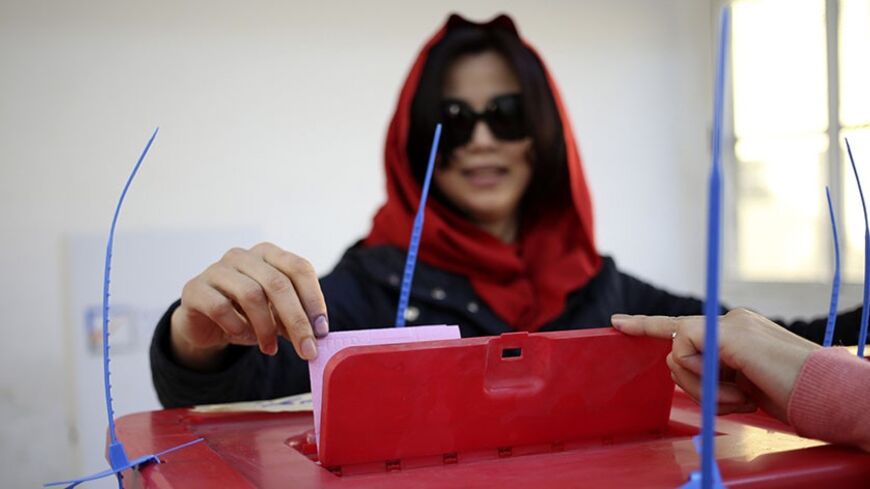
Fewer Libyans voted this time for the Council House of Representatives as the new parliament is known, than in the general elections of 2012. In 2012, Libyans were full of hope and optimism after the NATO-Qatari-backed rebels toppled longtime leader Moammar Gadhafi. Democracy, stability, security, peace and above all freedom were the noble causes the majority of my countrymen were eager for. Yet, it took only three years to see all that crumble into a pile of wreckage.
No wonder this time that only 630,000 voted, less than half of the eligible voters registered to cast their ballots, compared with over 3 million in 2012. There were no party lists this time around, so every single candidate contested the election on his own, personal credibility. Full results, though, are not expected before July 3.
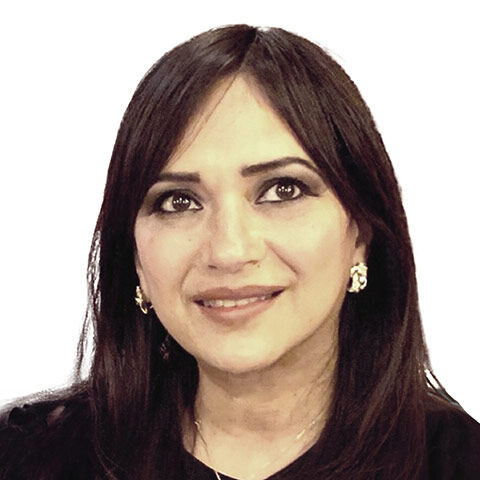
Many polling stations, particularly in Derna in the east of the country and Kufra to the southeast, did not open for security reasons on June 25. Libya’s election commission said 15 seats in the 200-seat parliament will remain vacant since elections could not be organized in some parts in the country while others have to be rescheduled. In Benghazi, after casting her vote, prominent human rights lawyer Salwa Bughaighis was killed after gunmen forced their way into her house. She was stabbed before being shot in the head. She was a well-known critic of armed groups in Benghazi. Later, it emerged that her Egyptian housekeeper, who was wounded in the attack, was killed while under police protection. He was the only witness to her murder.
It is important to understand why fewer Libyans voted this time, when the opposite was expected.
AL-MONITOR All-Access gives you unlimited access to all our journalism, the full Daily Briefing, exclusive interviews, premium newsletters, and live events — for less than $2/week.