



Israel blames Hamas political leaders for abductions
Israel is no longer buying the distinction between Hamas' political and military divisions.
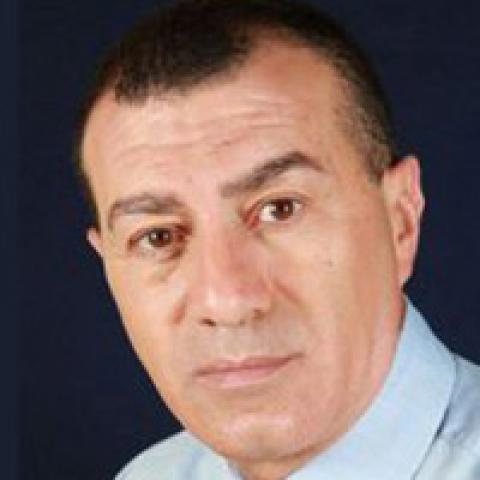

The interview given by Hamas' political bureau chief Khaled Meshaal to the Al Jazeera network on June 23 lent itself to three conclusions. First, that Hamas did, indeed, abduct the three (high-school) rabbinical students; second, that the kidnapping took the movement’s leadership by surprise; and, third, that he and the other movement’s leaders have no control over Hamas’ military wing — an embarrassing admission on Meshaal’s part.
“Hamas is comprised of a political wing and a military wing,” he said, and therefore he cannot give orders to the military echelons. “They are well-aware of Hamas’ policies and are committed to the movement’s political approach,” he said.
Any other leader of a political movement, party or entity would be embarrassed to admit that his military commanders do not accept his authority, but Meshaal is trying yet again to draw a dividing line between the various Hamas arms, as if this was not an organization that he heads. For years, Hamas’ political leaders attempted to present themselves outwardly as having no contact with, or responsibility for, the planning of terror attacks against Israel, so they wouldn't be targets for elimination.
Surprisingly, this distinction between the organization’s military and political arms was accepted, even in Israel, until the middle of the second intifada. Israel fought the people of the military wing — the heads of the Izz ad-Din al-Qassam Brigades were on the wanted list and targets for elimination, while the people of the political wing remained beyond the fighting and out of firing range.


