



Iran reacts to UN retraction
Iran questions whether the Geneva II conference will be successful without Iranian participation.

Finally, Geneva II is about to commence, with around 30 countries taking part in the one-day conference in Montreux, Switzerland. Iran was to be among the main guests after UN Secretary-General Ban Ki-moon extended a relatively surprising invitation to take part in the long-awaited peace conference. But in less than 24 hours the allurement was retracted; the secretary-general said the retraction was due to Iran’s stances that weren’t at all consistent with the global consensus behind the Geneva I communique, making Iran the most prominent absentee.
So, what does Iran think about the UN decision?
“We announced from the very beginning that we would accept no preconditions for Iranˈs participation in the Geneva II conference,” said Iran’s Foreign Minister Mohammad Javad Zarif. “In several phone conversations with the UN secretary-general last week, we had told him Iran would accept no preconditions and rejected a proposal from the UN chief that Iran must acknowledge the communique of the Geneva I conference on Syria.” Zarif bitterly criticized Ban, accusing him of making his decision “under pressure from the United States and certain groups, a number of whom have shed the blood of the Syrian people.”
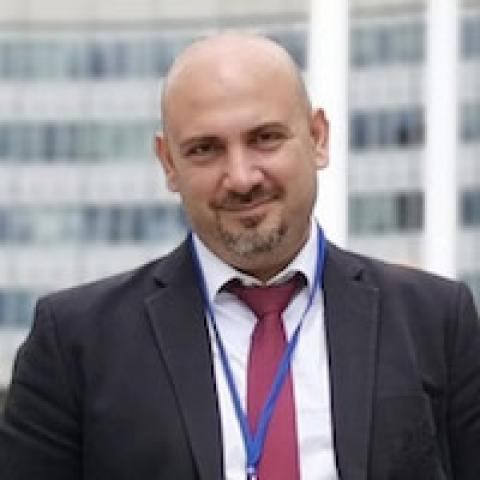
Earlier, I spoke with Hussein Amir Abdullahyan, Iran’s deputy foreign minister, who told Al-Monitor that the United States is insisting in an illogical way on imposing preconditions for participation in Geneva II: “These preconditions contradict with the democratic norms. Only the Syrian people have the right to impose such decisions.” Abdullahyan, who was to represent Iran in the peace conference, made it clear that Iran wasn’t part of Geneva I and is not insisting on being part of Geneva II: “If it weren’t for the preconditions our delegation should have been in Montreux in Switzerland.”


