



Small victory for Iraqi civil society on pension law
While civil activists successfully brought an end to unfair parliamentary salaries and pensions last month, many gaps in Iraqi law persist.
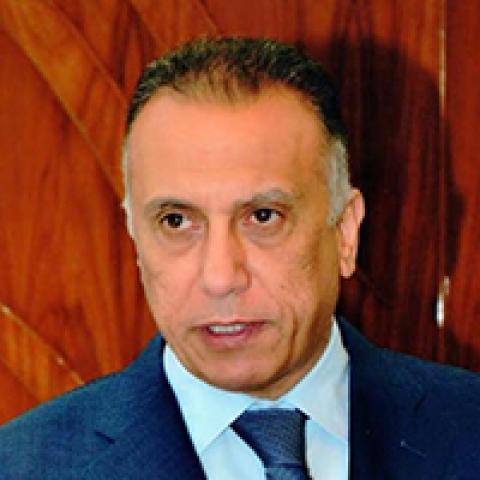

It can be said that the civil movement that took off in Iraq to cancel privileges, special ranks and pensions of members of parliament has led to tangible progress toward this goal, after the federal government issued a decision in October to cancel the old pension law that guaranteed parliament members and government officials a pension for having served in the parliament or the government for four years or less.
Today, the Iraqi parliament must inevitably issue new legislation that organizes state service and the resulting pensions in a way that fulfills the principles of equality and justice in this field.
However, the energy of civil and youth movements has been drained for this win. Many prominent figures in the movement thought that fulfilling the goal of the campaign to annul the pension law would be enough to reach the desired reform. In reality, reform in Iraq remains a pressing need not only for the political situation, but also for the economy, legislation, administration, judiciary, education, health care, society and labor rights.
This huge need for reform is mostly dependent on the legislature tasked with rebuilding the Iraqi state and saving it from contradictions, confusions and overlapping powers. This same entity should organize its performance in different fields, set up the structure for political and party work and monitor the performance of the government’s institutions.


