



Iraqi Shiite Cleric: Iraqi Extremism A 'Transitory Phase'
In an exclusive interview with Al-Monitor, Iraqi Shiite authority Hussein al-Sadr shares his perspective on the state of affairs in Iraq 10 years after the fall of Saddam Hussein.
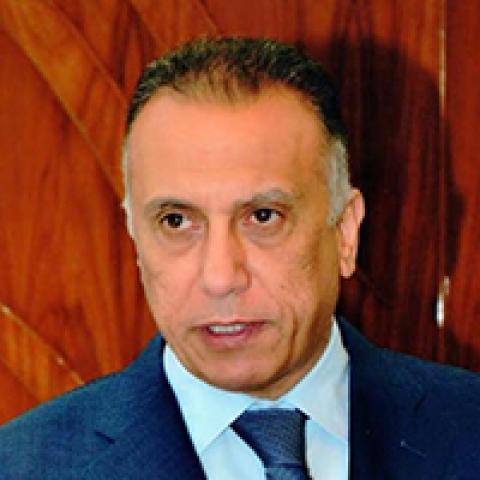

Shiite cleric Ayatollah Hussein al-Sadr is known as a moderate religious voice in Iraq, thanks to the initiatives he has launched for bringing together points of view between various religious and sectarian schools in and outside the country.
He established the Humanitarian Dialogue Foundation, and he believes that religion is a point of convergence, not divergence, and that terrorism is a dangerous phenomenon that can be stopped by a true cultural revolution.
In an interview with Al-Monitor, Sadr asserted that federalism in Iraq will only exist if based on geographic and economic grounds, that the poor performance of politicians calls for the intervention of the clergy to ease the charged atmosphere and that the security performance of Iraqi institutions requires further efforts and development.
Al-Monitor: You have been referred to more than once as a “moderate authority” in Iraq. Do you feel that the range of moderation in Iraq is narrowing and being taken over by extremism?


