



Al-Aqsa Mosque Compound UnrestThreatens Israel-Jordan Diplomacy
Jordan has decided to withdraw its ambassador from Tel Aviv, and its parliament has voted unanimously to expel the Israeli ambassador in reaction to the latest Israeli incursion into Al-Aqsa mosque, reports Daoud Kuttab.
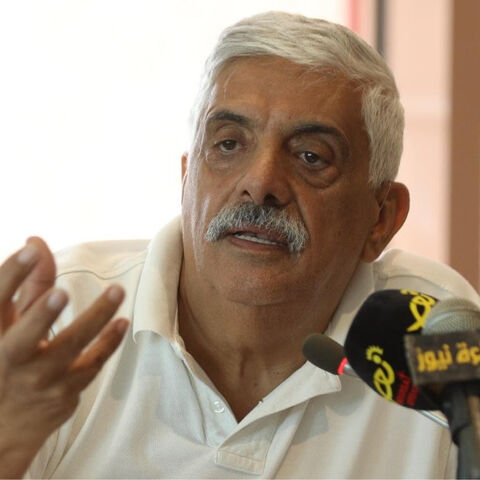

Sometimes the best way to gauge reactions to a particular action is to look away from it. The reactions of the Jordanian parliament and government on Wednesday, May 8, to Israel's decisions regarding Al-Aqsa mosque is a prime example.
Jordan, one of two Arab countries that has signed a peace agreement with Israel, decided to withdraw its ambassador from Tel Aviv and summoned the Israeli ambassador to lodge a strong complaint about the events in Jerusalem. The Jordanian parliament, however, was much more radical, with MPs voting unanimously to demand that the government expel the Israeli ambassador.
While the decision of the parliament is not binding on the executive branch, it would be a mistake to dismiss the decision. Such an action reflects an increasingly angry mood in the Arab world in reaction to Israeli incursions into the Al-Aqsa mosque compound.
Many Arab news agencies reported that the Israeli army and police, which control one of the gates to the mosque area (the Mughrabi gate), had facilitated the entry of dozens of radical Jewish settlers who believe Al-Aqsa is in the very same area as the Jewish temple destroyed by the Romans 2,000 years ago.


