



Palestinian Journalists BannedFrom Covering Obama Visit
Palestinian security revoked the accreditation of 18 Palestinian journalists from covering US President Barack Obama’s visit to Ramallah, most likely due to their political affiliation, writes Daoud Kuttab.
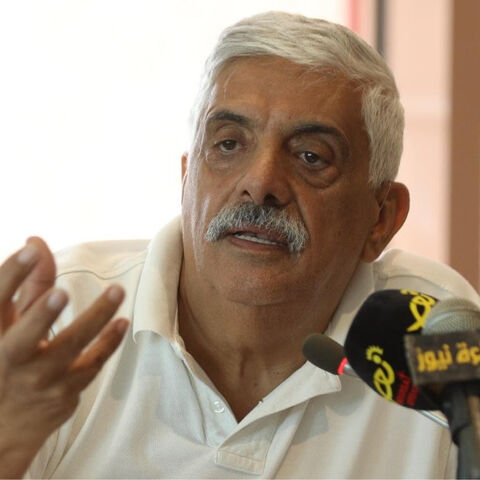

When it became clear that US President Barack Obama was to visit Ramallah and hold a press conference, local and foreign journalists quickly applied online for the special accreditation created for the event. More than 250 foreign and 140 Palestinian journalists were accredited. On the eve of the visit, however, 18 Palestinian journalists received a phone call from a member of Palestinian Preventative Security, an intelligence arm close to the CIA, telling them that they would not be allowed to enter the Muqata, the headquarters of the Palestinian presidency. The list included journalists working for international agencies who regularly cover events at the Muqata.
Palestinian security and political officials deny that the last-minute withdrawal of accreditation was the result of pressure from the Americans or the Israelis. After a quick look at the list of journalists blocked from access, however, one realizes they all at one time or another had written or said something critical of the Palestinian leadership. Based on previous experience, reporters believe that the ban was a result of unannounced Palestinian, US and Israeli coordination.
The Israelis have never recognized the existence of a journalistic profession or culture among Palestinians and normally treat Palestinian journalists the way they treat all other Palestinians.
What undermines the idea that the 18 banned journalists posed a security threat is that they have covered high-profile visits to Palestine for years, including by US officials. Furthermore, at least one of them, Mohammad Daraghmeh, with the Associated Press, refused to accept the decision and appealed to the office of Palestinian Prime Minister Salam Fayyad, who succeeded in reinstating his accreditation.


