



Saudi Professor Faces Charges After Fighting for Free Speech
What are the limits of open dissent in the Kingdom of Saudi Arabia? They are often unclear and seemingly arbitrary, writes Thomas W. Lippman, but there is no doubt that Dr. Mohammad al-Qahtani went well beyond them. He had predicted it, and in the context of Saudi Arabia, he was asking for it.
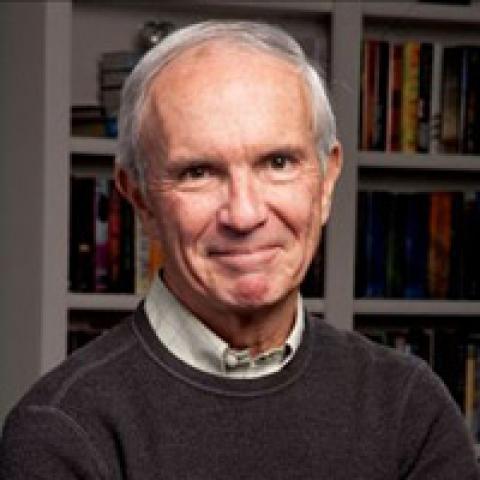

What are the limits of free speech and open dissent in the Kingdom of Saudi Arabia? They are often unclear and seemingly arbitrary, but there is no doubt that Dr. Mohammad al-Qahtani, a professor and activist, went well beyond them, and he knew it. He was hardly surprised when Saudi prosecutors, finally fed up with his vociferous denunciations of the regime, hit him with a long list of criminal charges. He had predicted it, and in the context of Saudi Arabia, he was asking for it.
“Make no mistake,” he said shortly before a recent procedural hearing on his case. “We are all going to prison.” By “we” he meant himself and two colleagues in the Saudi Civil and Political Rights Association, perhaps the most outspoken and daring agitators for human rights and personal freedom in the kingdom.
Saudi Arabia is an autocratic monarchy in which citizens are disenfranchised, but it is not North Korea. People travel freely, have access to the Internet and are generally free to grumble about official incompetence or inadequate public services, as many do. But criticism of the monarchy, of the personal foibles of the king and senior princes, or of Islam and the religious establishment is prohibited. Signing a petition asking for the creation of an elected parliament has been tolerated, but it has been risky to go much beyond that.
Al-Qahtani clearly ventured into forbidden territory. He openly referred to the late Prince Nayef bin Abdul Aziz, the longtime Interior minister, as “a criminal” for the state’s alleged abuses of thousands of political prisoners, and demanded that King Abdullah not only fire him but prosecute him. Before Nayef’s recent death, al-Qahtani’s group circulated a petition asking that Nayef be removed as crown prince because he was “not fit to be the next king.”


