x

Iran Looks to Afghanistan
To End Political Isolation

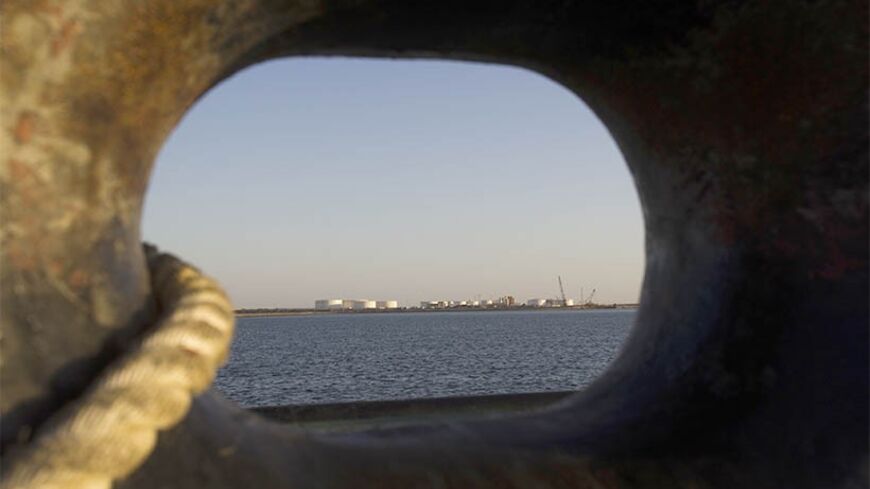
Workers load goods onto ships at the port in Deira, Feb. 27, 2012. Financial sanctions imposed over Iran's disputed nuclear program have dealt a heavy blow to its foreign trade. (photo by REUTERS/Ashraf Abu Omar)


By: Fatemah Aman Posted on September 23.

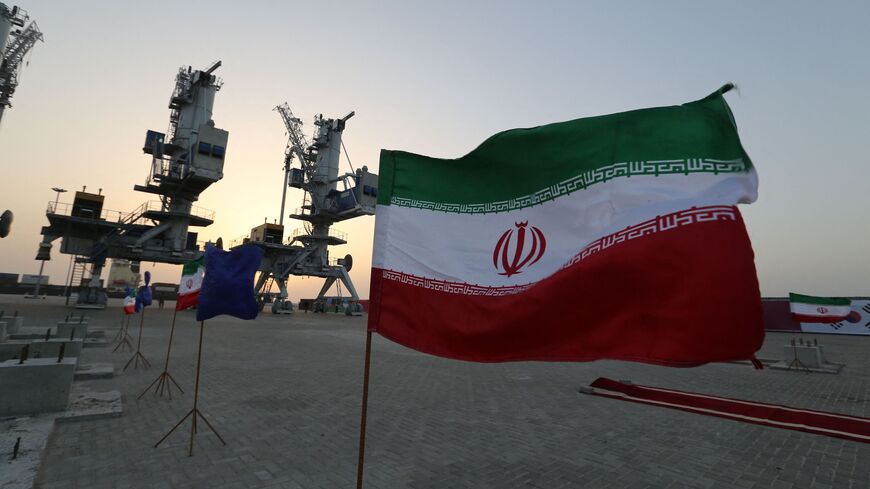
Burdened by European sanctions and growing popular dissatisfaction, the Iranian government is looking to south Asia — Afghanistan, in particular  — as a way to relieve its economic and diplomatic isolation. A key element is the Iranian port of Chahbahar, which can serve as a gateway to Afghanistan and central Asia.

About This Article

Summary :
The Iranian government is looking to south Asia and Afghanistan in particular as a way to relieve its economic and diplomatic isolation, Fatemah Aman writes for Al-Monitor, explaining the move also could exploit a major US vulnerability — the US desire for an orderly troop withdrawal from Afghanistan by 2014.
Author: Fatemah Aman
Posted on: September 23 2012
Categories : Originals Iran  
Afghanistan is not just a neighbor to Iran but, more than any other place, the country where Iranian and American interests most overlap. At the same time, the Iranian government sees Afghanistan as a country where it can exploit a major US vulnerability — the US desire for an orderly troop withdrawal by 2014.
 
Iran has long ties to Afghanistan, part of which was within the Persian Empire until the late 19th century and where a substantial number of people speak Dari, a version of Farsi. Iran has deepened its economic ties with the country since the overthrow of the Taliban regime in 2001 and supplies more than half the nation’s oil. Given the cultural bonds between the two countries, Iran believes it has leverage over the US in Afghanistan.
 
On the sidelines of the recent Non-Aligned summit in Tehran, officials from Iran, India, and Afghanistan met to discuss how to best utilize Chahbahar port. They agreed to start a joint working group in Chahbahar city by November. According to the Afghan Ministry of Foreign Affairs: “The objective of the meeting was to explore ways to expand trade and transit cooperation, including investment among the three countries starting with Chahbahar port.”
 
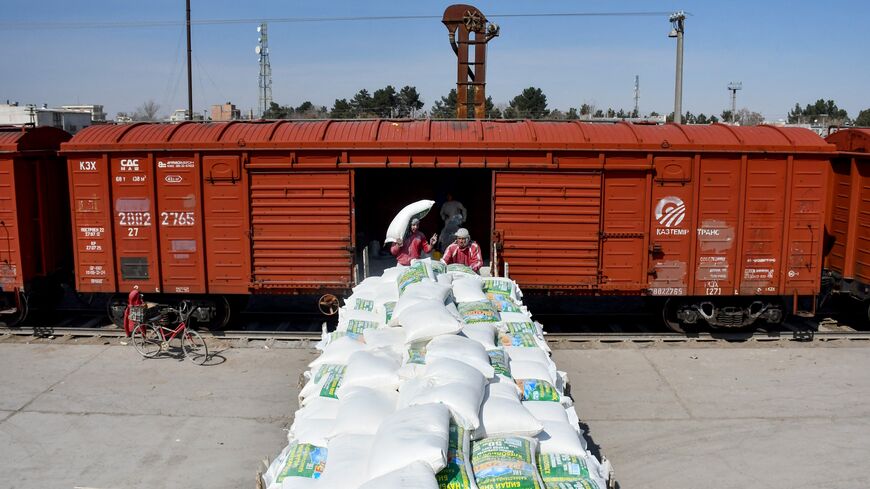
The Chahbahar project can provide land-locked Afghanistan with access to the Arabian Sea and Indian Ocean independent of Pakistan and attract more international investment and trade as well as opening up a new channel to energy-rich central Asia. Most Afghan imports and exports currently are routed through the Pakistani port of Karachi, more than 1,200 kilometers from the closest border with Afghanistan. Chahbahar, on the other hand, is only 700 kilometers from Afghanistan’s Nimroz province and could connect Afghanistan with other international ports through the Sea of Oman and the Indian Ocean. Afghanistan’s dependence on Pakistan for the use of Karachi has been a source of tension between the two countries. India, in particular, would prefer to use Chahbahar to improve its access to Afghanistan, Iran and central Asia.
 
The Afghan media, while cautiously optimistic, warns that Iran, like Pakistan, could politicize the trade relationship. The Afghan daily Hasht-e Sobh (8AM) wrote: “If Iran, like Pakistan, uses Chahbahar as political tool to pressure Afghanistan and the West, this [the Chahbahar agreement] will not result in productive regional cooperation.” The article goes on to note that “Iran has many times in the past stopped tankers carrying fuel with the excuse that it is sold for NATO forces.”
 
However, compared to the challenges that Afghanistan faces in its trade and transit relations with Pakistan, there seem to be plenty of reasons to welcome the Chahbahar alternative. Afghans believe even their country’s membership in international organizations alongside Pakistan has not guaranteed relief of transit difficulties with Pakistan. Afghanistan further hopes to capitalize on potential competition between Iran and Pakistan. An agreement signed in 2004 between Iran and Afghanistan gave Afghanistan access to Chahbahar port and 124 acres of land near the port. About $2 billion worth of goods enters Afghanistan, of which about $1.5 billion comes from Iran. The upcoming talks could expand this trade relationship and significantly increase Afghan access to the transit route and land near Chahbahar.
 
The existing Status of Forces Agreement between Afghanistan and the US, which will allow the US to maintain a small troop presence in the country after 2014, appears to be of lesser concern to Iran. Referring to the US-Afghan agreement, Iranian Foreign Minister Ali Akbar Salehi said recently that it was an “internal affair” for Afghanistan. Iran believes that despite deep differences and animosity between Iran and the US, it can still work with Afghanistan. This could lessen China’s growing influence in south and central Asia and help Afghanistan decrease its dependence on Pakistan. However, Iran’s main objective is to increase its own security and overcome the threat of military action against the part of its infrastructure that impacts India and Afghanistan. Iran believes that the US, as determined as it is to oppose Iran’s nuclear program, will not sacrifice Afghanistan because of conflict with Iran.
 
Iran has reason to believe that the US would not oppose a new Chahbahar deal. Asked about the Afghan-Iranian-Indian agreement to expand trade and investment through Chahbahar, State Department spokeswoman Victoria Nuland on Aug. 27 said: “These three countries are neighbors; they have to get along. We are obviously interested in increased trade and commerce back and forth there, so anything that ameliorates that situation is something that we would support.”
 
Iran’s political calculations are not devoid of flaws and challenges. Development of Chahbahar is essential for both Afghanistan and India since it would provide broader access to energy-rich Central Asia. India would benefit tremendously from this project. But Iran is well aware that India would not risk its interests and long term bonds with the US over Iran and this particular deal. Iran knows that India would not push the US hard on this issue.
 
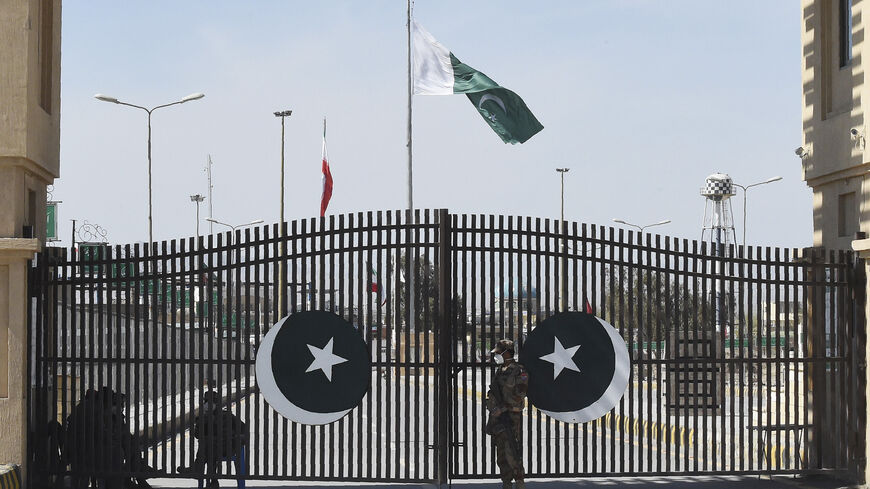
The same is true for Pakistan. Iran has always maintained a cordial relationship with Pakistan for many reasons, including the security of its borders. Baluchistan, a Sunni Muslim Iranian province that borders a Pakistani province of the same name, is prone to political unrest and banditry and is a weak security point for Tehran. In return for Pakistan refraining from using its influence in Baluchistan to score political gains, Iran has avoided playing the ethnic card with Pakistan. Iran knows that Pakistan would keep brotherly relations with Iran as long as its own interests are secure. However, Pakistan – like India – would not risk its long-term relations with Washington to improve ties with Iran.
 
The situation in Afghanistan is different. Historically, except during Taliban rule, Iran has  maintained a strong presence in Afghanistan. Iran considers Afghanistan as a major weak point for the US. The US, weary after more than a decade of war, is planning to pull out of Afghanistan by 2014. Iranians are aware that the US does not want to leave a vacuum that could  be exploited by Iran.
 
Still, in Iranians’ minds, the US desires to stabilize Afghanistan and secure its economic future in the shortest time possible. Afghanistan is where Iranians believe they can shine. Here is where, according to Seyed Hossein Mousavian, a former spokesman for Iran’s nuclear negotiators and a scholar at Princeton’s Woodrow Wilson School, “issues that matter to both countries [cooperation on areas of common interest such as Afghanistan] should not be held hostage to tensions over Iran’s nuclear program.” 
 
Fatemah Aman is an independent media and political analyst.
Back to news list


Welcome to Al-Monitor!
Our site brings together, for the first time, top journalists from across the Middle East including Iran, Iraq, Israel, Lebanon, Palestine and Turkey. Plus daily translations from 20 major news organizations in the region.


Watch a video about us.