



Prince Muqrin and the Question Of Saudi Succession
The appointment by Saudi King Abdullah of his half-brother Prince Muqrin bin Abdul Aziz to the key position of second deputy prime minister raises new questions about who will succeed the Saudi monarch and the next generation of Saudi rulers, writes Thomas Lippman.
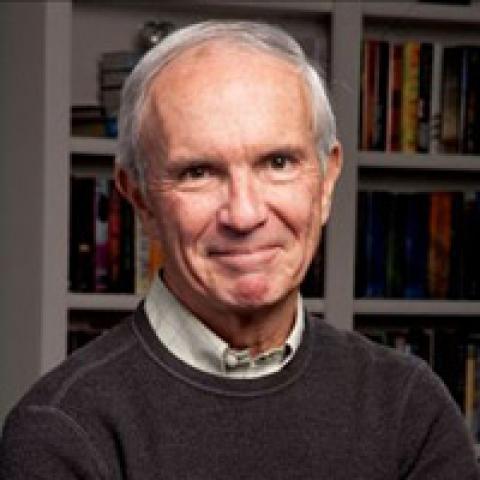

Just when it seemed that the aging rulers of Saudi Arabia were finally preparing to transfer power to the next generation of princes, King Abdullah has postponed the inevitable yet again by appointing his half -brother Prince Muqrin bin Abdul Aziz to the key position of second deputy prime minister.
Saudi law prescribes that the king must be a son or direct male descendant of the founder of the modern kingdom, Abdul Aziz al-Saud. All kings since Abdul Aziz’s death in 1953 have been sons — of which he had dozens, by many women. As those sons have aged and died, analysts of Saudi affairs have scrutinized the family’s affairs like Kremlinologists watching parades in Moscow during the Cold War, searching for clues about when the few remaining sons would finally deliver the throne to the “grandsons’ generation” — a generation that is itself already passing middle age.
In strategic and economic terms, it probably makes little difference to the rest of the world who becomes king of Saudi Arabia because longstanding policies are unlikely to change. So far as is known outside the al-Saud family, no potential king is likely to abandon Saudi Arabia’s security partnership with the United States, its antipathy to Iran, or its commitment to stability in the oil market.
Domestically, however, the succession process could be crucial to the stability and social development of the kingdom. For all its oil wealth, Saudi Arabia in the next twenty years will confront its rulers with immense economic and social challenges that will require skill, imagination, charisma, and probably luck to overcome. Shortages of water, energy, housing, and jobs for armies of young people, combined with multiplying demands for the empowerment of women, popular resentment of corruption and incompetence in government, the explosion of social media, and the dogged resistance of the religious establishment to any kind of social or political restructuring, will give any leader more than one man can handle.


