



What's next for Egypt's journalists?
In an interview with Al-Monitor, Khaled El-Balshy, the head of the Freedom Committee of the Journalists' Syndicate, says that he believes the Egyptian security forces are facilitating the insults and abuses journalists have been subjected to.

CAIRO — On May 1, and in a historic first, security forces stormed the Journalists' Syndicate to detain and arrest journalists Amr Badr and Mahmoud El-Sakka. Subsequently, following demonstrations by hundreds of journalists chanting “Journalism is not a crime” in front of the office of the attorney general, an emergency meeting was held by the General Assembly of the Journalists' Syndicate on May 4, which resolved to boycott all news relating to the interior minister, publish his photo in a negative context only and call on the presidency to apologize to all journalists for the storming of the syndicate's office.
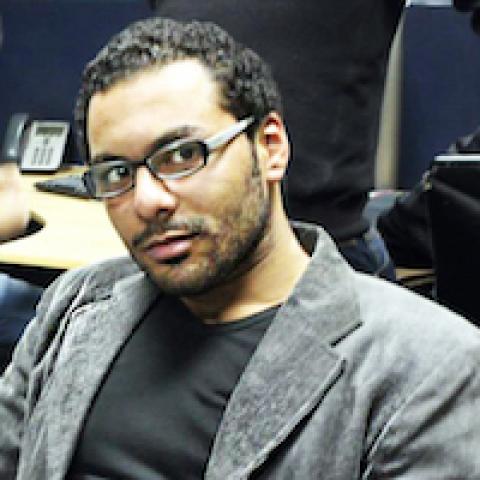
The head of the syndicate’s Freedom Committee, Khaled El-Balshy, who took part in drafting these General Assembly resolutions, spoke with Al-Monitor about the repercussions of the syndicate’s woes with security agencies and the problems faced by the Egyptian press at what he calls a critical stage.
The text of the interview follows:
Al-Monitor: Why have many journalists called on the presidency in particular to apologize for the storming of the syndicate's office?


