



Is Abadi key to resolving Kurdish conflict?
As the political divide and violent protests worsen in Iraqi Kurdistan, will Baghdad be able to keep the situation under control through peaceful means?
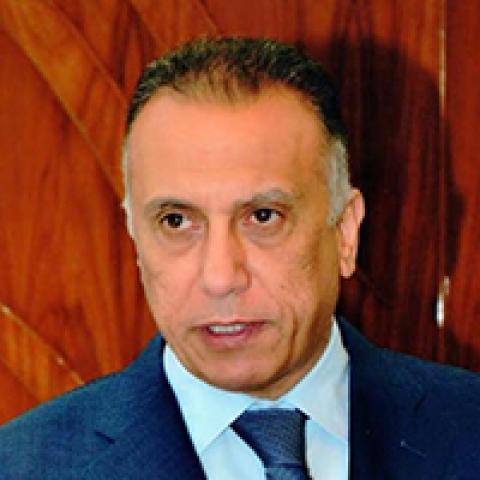

A weak and divided Baghdad has been unable to play an effective role in solving the various central administration-related crises in Iraq, such as the Iraqi Kurdistan crisis. The opposition is accusing Iraqi Kurdistan President Massoud Barzani of seeking to extend his presidential term, in light of ongoing popular protests in Kurdish cities. Competing political parties are accusing each other of being behind the protests, when for many years the Kurdistan Region had witnessed political stability.
Given the protests and acute political rifts among the Kurdish parties, it is necessary to raise questions about Baghdad’s ability to help contain the crisis, provide solutions and an appropriate environment for dialogue and mediate among the conflicting parties to restore political stability.
The conflict — among the Kurdistan Democratic Party (KDP), the Patriotic Union of Kurdistan (PUK), the Movement for Change and the Kurdistan Islamic Union — broke out in August toward the end of Barzani's presidential mandate, which according to the region’s electoral law, cannot be extended.
Kurdistan is facing major obstacles to holding elections: a lack of necessary funds and security in light of the war against the Islamic State. This is in addition to the existing crisis over the region's form of governance, which pushed the PUK, the Movement for Change and the Kurdistan Islamic Union, as well as the Kurdistan Islamic Group, to propose a shift from a parliamentary to a presidential system.


