



Sephardic candidates face real discrimination in elections
Ahead of the elections, the Israeli political system still shies away from confronting the phenomenon of ''ethnic voting,'' where Sephardic candidates receive less support than those of European candidates.
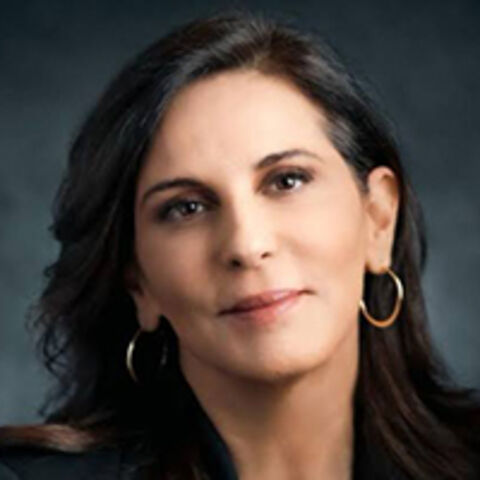

In summer 2008, then Transportation Minister Shaul Mofaz geared up to run for head of the Kadima Party. He was preparing to run opposite then Foreign Minister Tzipi Livni in the elections planned for September of that year, after the dismissal of Prime Minister Ehud Olmert as party head in the wake of the Talansky affair. At the time, Kadima was the ruling party, Olmert was still prime minister, and his successor as head of Kadima had an opportunity to replace him as premier.
Mofaz, who was convinced that he was very close to reaching the prime minister's office, hired the services of Jewish-American consultant Arthur Finkelstein. The latter conducted a comprehensive, in-depth study based on a series of polls regarding the voting patterns of Kadima Party members.
Finkelstein presented the study's results to Mofaz and his team; part of the study also examined the ethnic voting patterns in Kadima. In other words, the question was: Did the fact that Mofaz is of Sephardic (Middle Eastern) background (he was born in Iran) have any influence on the voters?
The findings, publicized here for the first time, were unequivocal and astonishing. According to Finkelstein, only 4% of those who defined themselves as Ashkenazi (of European origin) said they would vote for Mofaz, while 50% of those who defined themselves as Sephardic said they would vote for him.


