



Erdogan's $350M presidential palace
President Recep Tayyip Erdogan has filled his newly constructed palace in Ankara with symbolism of his overthrow of Turkey’s old regime.
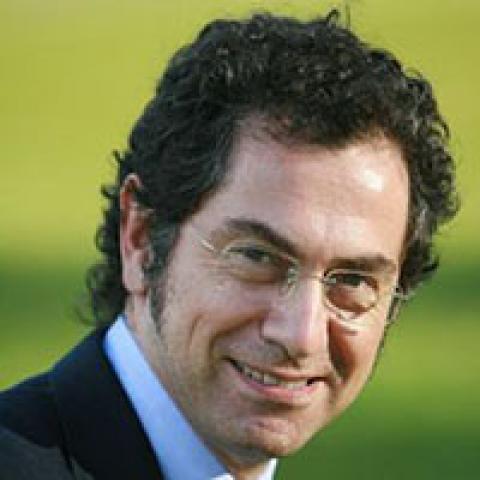

On Aug. 28, when Recep Tayyip Erdogan took over Turkey’s presidency from Abdullah Gul, his comrade-in-arms and co-founder of the Justice and Development Party (AKP), he declared the day “the birthday of New Turkey.”
In terms of the continuity of the existing constitutional system, Erdogan’s pronouncement is devoid of any substance and a poor metaphor. The only new thing about Turkey so far is the way Erdogan was elected — the country's first popular presidential election. And, of course, his ascent to the presidency is a novelty in itself. So Erdogan seems to suggest that he himself is the embodiment of the “New Turkey.”
Erdogan is entitled to the same powers as the presidents of the “Old Turkey,” for the constitution is the same. There will be one difference, though: Erdogan says he will be using his constitutional authority and powers to their full extent. None of his predecessors chose to fully exercise the powers granted by the constitution, a product of the 1980 military coup — not even Kenan Evren, the coup leader-turned-president.
All of Erdogan’s rhetoric and actions indicate he will remain the man who governs Turkey — both through his constitutional powers and the enormous clout he wields, free of any legal limits, over the government and the AKP. This prospect is the reason why some argue that Turkey ushered in a de facto presidential system on Aug. 28.


